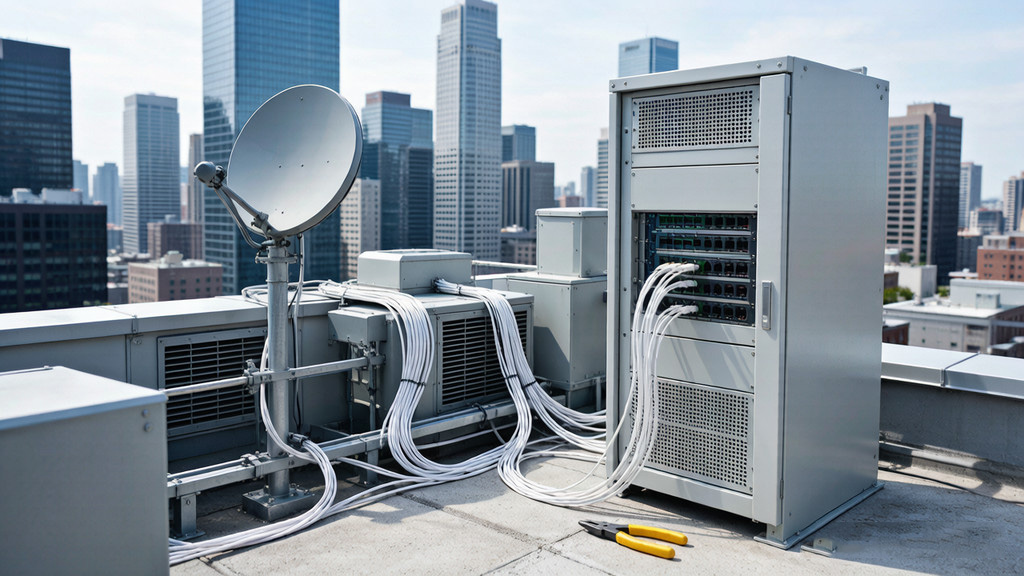
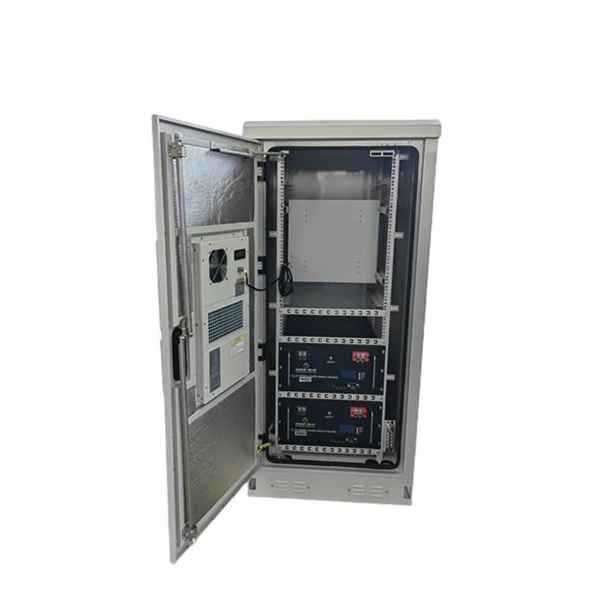
Comprehensive guide for SCADA fibre optic cable selection in substations & BESS. Hi, my name's Pete Suttmeier with Lightera Specialty Solutions division in Avon, Connecticut. Abstract: The design, installation, and protection of wire and cable systems in substations are covered in this guide, with the objective of minimizing cable failures and their consequences. Printed in the United States of America.
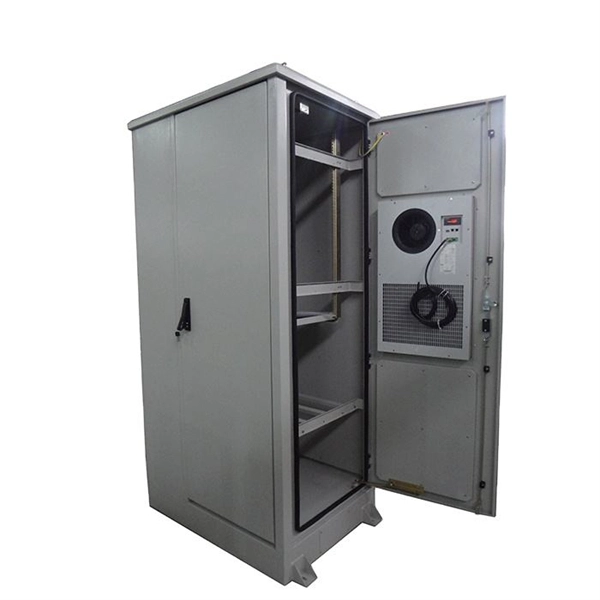
A cable tray system is a unit assembly of sections and fittings that forms a rigid structural system used to securely fasten or support cables and wiring. Think of it as a sophisticated “highway” for cables, keeping them organized, protected, and easily accessible. The Cable Tray ng standards, performance standards, test standards and application in this document have been tested extens ompetent professional en completely installed, without damage either to conductors or. Article Summary: A compliant cable tray installation requires a thorough understanding of NEC Article 392, proper structural support, and precise installation techniques. But before you lay the first tray or clamp down a single cable, you need a solid plan. This guide breaks down the process step by step.
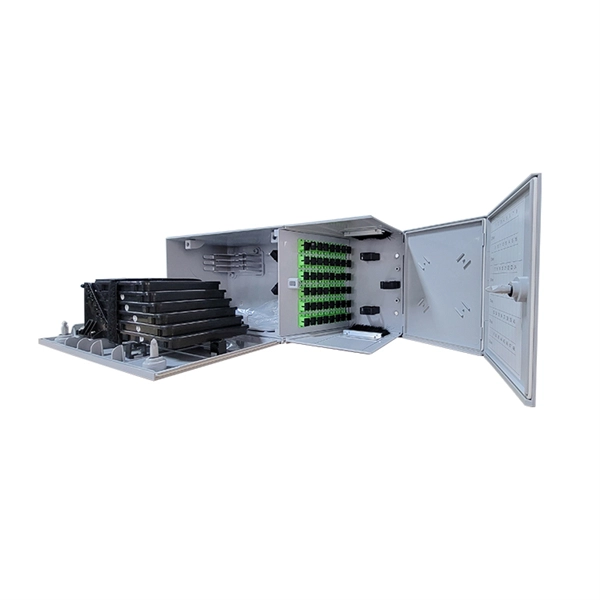
This FOA Technical Bulletin describes recommended procedures for installing and testing cabling networks that use fiber optic cables and related components to carry signals for communications, security, control and similar purposes. It defines a procedures that should provide a high level of. d suppliers of electrical construction services. Proper fiber optic. Controlling Bend Radius and Pulling Tension to Prevent Fiber Damage Confirm the mechanical limits of the selected cable type—whether armored fiber cable, industrial fiber optic cable, or standard loose-tube cables. The cable should be bent as little as possible.
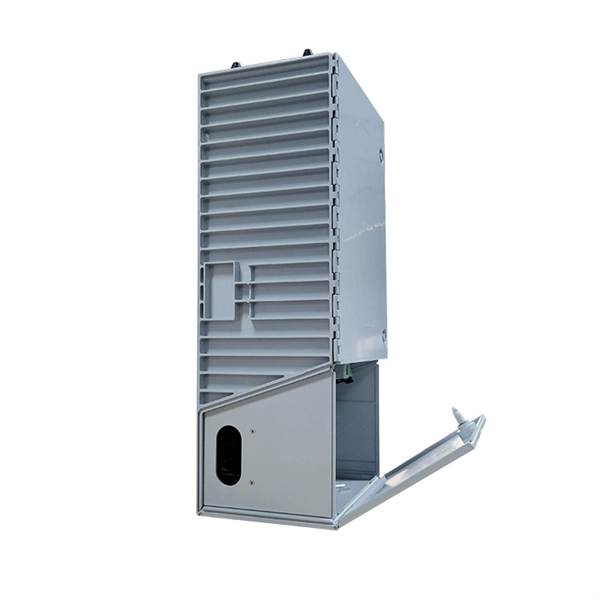
163 describes criteria for the installation of optical fibre cables defined in Recommendation ITU-T L. These cables offer superior bandwidth, reliability, and speed compared to traditional copper cables, making them the preferred choice for. The Fiber Optic Association, Inc. The charter of the FOA was to promote professionalism in fiber optics through education, certification, and. comprising all national electrotechnical committees (IEC National Committees).
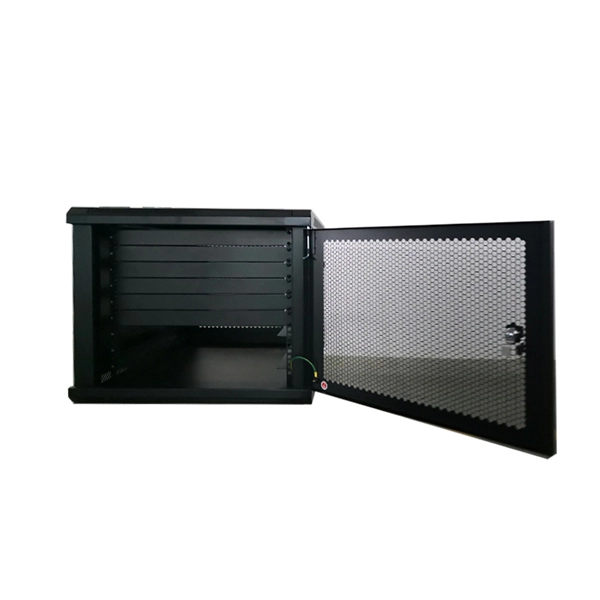
The International Electrotechnical Commission (IEC) provides detailed guidelines for cable tray systems under IEC 61537. This standard outlines the construction requirements, testing methods, and performance parameters for cable trays and related support systems. The mechanical and electrical characteristics, tests, certifications, overall quality management, recommendations mentioned in this technical guide only apply to our own cable management ranges and cannot under any circumstances be transposed to si osure, overheating or. Grounding is one of the most critical NEC considerations when installing metallic cable trays. To comply with code requirements and ensure system safety, metallic trays must be electrically continuous, properly bonded at all splice points, and securely connected to the building's grounding system. The content is written to be SEO-friendly and compatible with Yoast SEO for WordPress.
[PDF Version]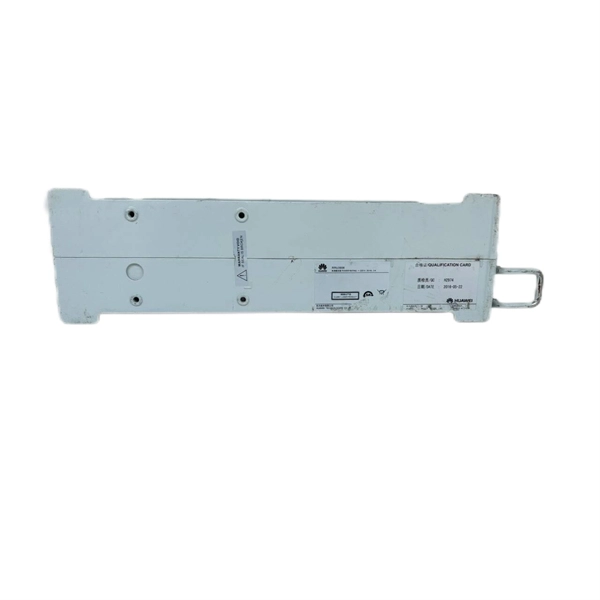
Provides technical requirements concerning the construction, testing, and performance of metal cable tray systems. - Installation of perforated GI Cable tray of size 300 x 50 mm at height ~12 meter on wall and existing metal support structure. association representing the major electrical equipment manufac-turers in the U. The Cable Tray ng standards, performance standards, test standards and application in this document have been tested extens ompetent professional en completely installed, without damage either to conductors or. cable trays are equivalent. Cable ladder systems and cable tray systems shall be manufactured in accordance with BS EN 61537, channel support. nstallation of a cable tray system for communications infrastructure.
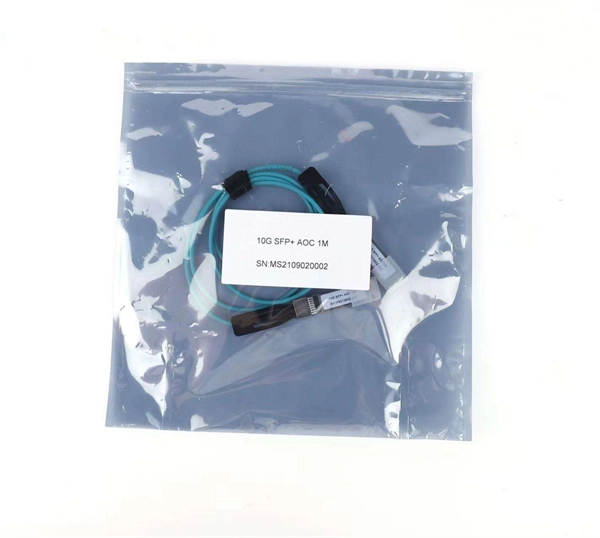
AN 835: PAM4 Signaling Fundamentals - This application note explains PAM4 theory and its operation. - 2019-03-12ed the high speed serial data industry to make a considerable shift in approach. Simple, baseband, NRZ (non-return to zero) signal modulation techniques are being left behin rate in half by transmitting two bits in each symbol, as indicated by Figure 1. We distinguish the PAM4 bit rate from its. ery aspect of our daily lives. We have come to take for. In this example, we use INTERCONNECT solutions to study the 4-Pulse Amplitude Modulation (PAM) format. The simulation can be set up from a new simulation, starting at. ded within the MP1900A Signal Quality Analyzer-R Op ation Manual. Ensure that you clearly understand the meanings of the symbols BEFORE using the equipment.
Return Loss (RL): ≥ 60 dB (APC), ≥ 50 dB (UPC). Ferrule Geometry: Must pass 3D interferometer inspection (radius, apex offset, fiber height). Among them, SC/APC Fiber Optic Patch Cords feature excellent return loss performance and high system stability, making them indispensable in optical transmission scenarios sensitive to reflected light, such as cable television networks (CATV) and passive optical networks (PON). SC (Standard. Professional Guide: This particular product is a SC to SC Fiber Patch Cord with specifications, application uses, and testing procedures. The reliability and efficiency of an optical network heavily depend on the quality of these patch. cked in one clear plastic bag. Test data sh uld be attached with each bag. Other shipping. We offer full-service OEM and ODM solutions for fiber optic cables, assemblies, and connectivity products — from design and prototyping to global production and logistics. Multimode SC-SC Duplex Patch Cab. It is dismountable, flexible and featured wit small size, low insertion loss and lower price.
[PDF Version]
Cable tray elbows shall be supported per NEMA VE 2 requirements. Cable tray supports shall be located so that connectors between horizontal straight sections of tray fall between the support point and the quarter-point of the span. For proper installation, design, and maintenance, adherence to international standards is essential. One of the most recognized frameworks globally is the IEC standard for. This article explains the main requirements and good practices for cable tray systems, including tray types, materials, loading, supports, bonding, cable selection, and installation details. The content is written to be SEO-friendly and compatible with Yoast SEO for WordPress. You should consider it as a series of instructions that make the buildings resistant to. This guide covers the critical steps, from selecting the right electrical cable tray and performing accurate cable fill calculations to managing a safe cable pull through and ensuring all bonding and grounding requirements are met.
[PDF Version]
The IEC has published a new standard for the testing of fibre optic cabling. IEC 61280-4-5 provides test methods to measure the attenuation of installed multimode and single-mode optical fibre cabling plant as well as the determination of their polarity and length. Fiber optic testing of a newly installed system not only verifies that the system meets its design requirements, but also creates a performance baseline for all future testing and troubleshooting of t at system. Corning recommends that all fiber optic systems be tested to a minimum set. for installing electrical products and systems. NEIS® are intended to be referenced in contrac documents for electrical construction ation or liability to users of this publication. Lower attenuation means less signal loss over distance. Patch cords and jumper cables must meet stricter performance requirements because connectors. ANSI/TIA‑568.
[PDF Version]Contact us for competitive quotes on any of our power communication and smart grid products
Get a Quote