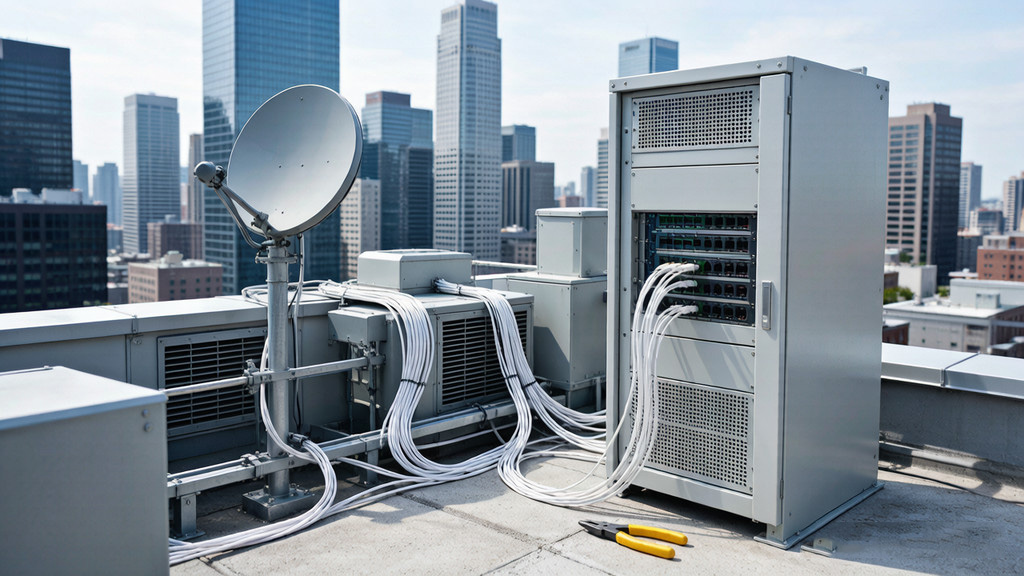
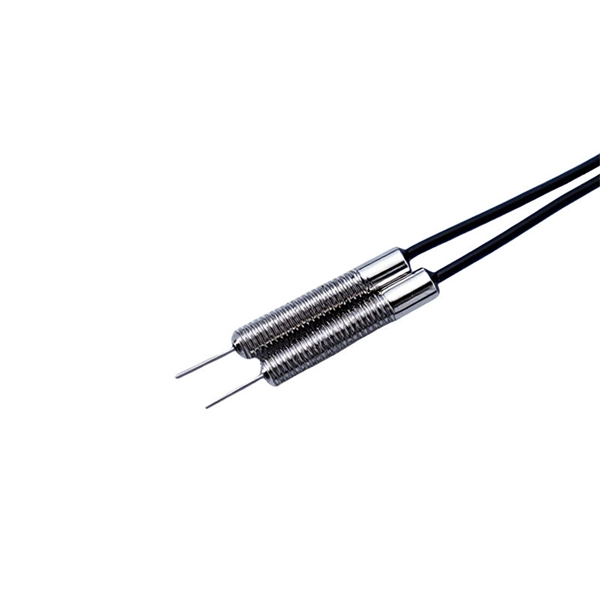
Fiber optic transmitters convert electrical signals into optical signals and then inject these optical signals into light- conducting cable. They use light emitting diodes (LED) or laser diodes as their optical source, and are designed for use with either single-mode or multi-mode. Optical transmitters are a crucial component in modern telecommunications, enabling the transmission of data as light signals through optical fibers. Nowadays, the applications of optical fibers mainly involve in telecommunication systems and also in the Internet & LAN (local area networks) to attain. The OPA621 is a low-noise, wide-band op amp in classical configuration, which functions as an amplifier in the I/V conversion section behind the photodiode and as an I/V converter behind the AGC multiplier. Essentially, they act as the starting point for a fiber optic.
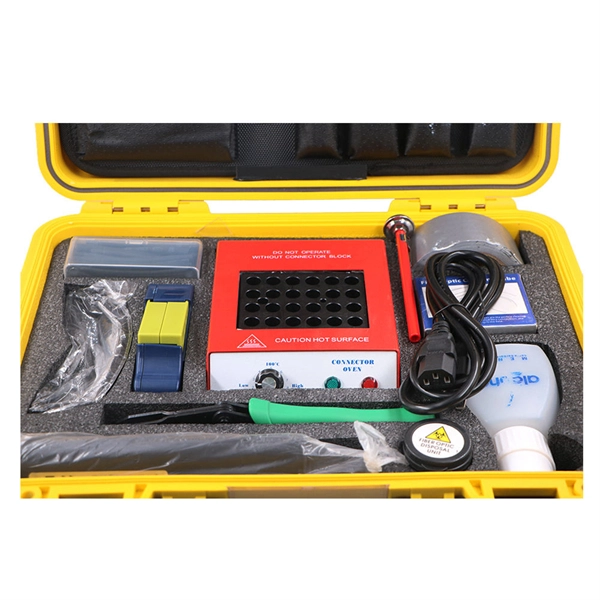
The optical receiver adds two types of noise namely thermal noise and shot noise. This application note provides an in-depth analysis of the complete receiver optical sensitivity and the potential power penalties related to the accumulation of random noise and inter-symbol interference (ISI) in both amplitude and timing. Ultimately, the noise influence on the signal will determine the system sensitivity. The challenge is to find a way to determine the. In the design of an optical receiver, it is vital that the module is capable of converting and shaping the optical signal while meeting or surpassing the maximum BER.
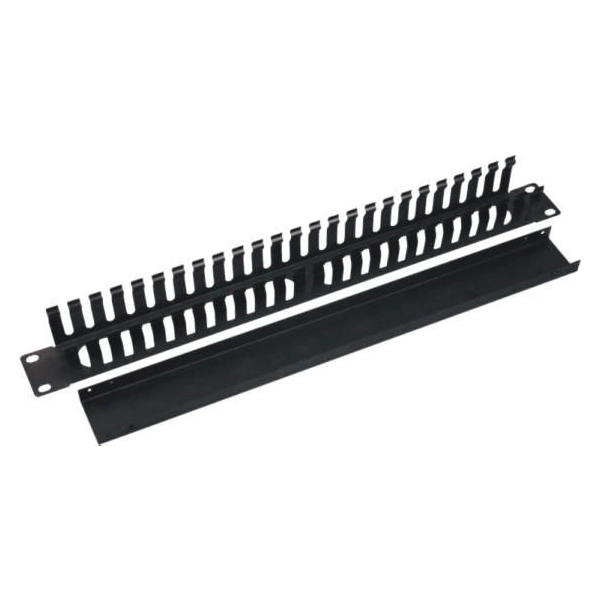
The Optical Fiber Identifier is a reliable tool used to locate, identify, and monitor live fibers during installation, maintenance, or emergency troubleshooting— without needing to disconnect the fiber. It is applicable to any position of single-mode optical fiber. An OFI is an important tool for field technicians – assuring. The OFI-400 model is a robust and easy-to-operate fiber-optic handheld device that is used to detect and measure the light power in the fiber core using a bending coupler system.
At its core, a fiber optic splitter relies on the principles of light reflection, refraction, and waveguiding to divide signals. The optical network system uses an optical signal coupled to the branch distribution. Its primary role is in Passive Optical Networks (PON), which are the foundation of. Whether you're a network engineer designing a PON (Passive Optical Network) or a homeowner curious about how your fiber connection works, understanding splitters is essential for grasping the backbone of modern connectivity.
Wireless communication sends information across distances without physical conductors like cables or wires. The technology makes use of electromagnetic waves that travel through free space. RoF is not a new lab experiment; it is a mature and critical "enabling technology" experiencing a surge in demand, driven by the build-out of 5G infrastructure, LEO. This white paper introduces an FPGA-based analog video transmission system over fiber optic cable, ensuring long-distance, low-latency, and interference-free video transport while maintaining compatibility with existing analog video infrastructure. System Overview The proposed solution digitizes. RF over Fiber (RFoF) was developed to address the limitations of traditional coaxial cables in transmitting high-frequency RF signals over long distances with minimal signal loss and interference. Examples of Electromagnetic energy. Transmission media refers to the physical or wireless communication channel used to carry data signals from one device to another within a computer network.
[PDF Version]
Synchronous Optical Networking (SONET) and Synchronous Digital Hierarchy (SDH) are standardized protocols that transfer multiple digital bit streams synchronously over optical fiber using lasers or highly coherent light from light-emitting diodes (LEDs). We demonstrate a switching contrast of 31. 9 dB, corresponding to a propagation distance of 14 mm, achieved by launching temporally synchronized SP-CP pairs into the fast core of the DCF with moderate inte -core asymmetry. It provides an expert-curated supplier directory, buyer-focused technical background information, and structured selection criteria to support professional procurement decisions. At low transmission rates, data can also be. Com-pared with weakly-coupled MCFs with independent cores, it can simultaneously realize higher spatial channel density and ultralow transmission loss using existing ultralow-loss single-mode fiber (SMF) core designs.
[PDF Version]
The Real-time Spectrum Analyzer (RSA) is an instrument that can discover elusive effects in RF signals, trigger on those effects, seamlessly capture them into memory, and analyze them in the frequency, time, modulation, statistical and code domains. A spectrum analyzer measures the magnitude of an input signal versus frequency within the full frequency range of the instrument. The primary use is to measure the power of the spectrum of known and unknown signals. Most spectrum analyzers automate certain power versus frequency type measurements, like AM modulation depth or. This application note explains the fundamentals of swept-tuned, superheterodyne spectrum analyzers and discusses the latest advances in spectrum analyzer capabilities. At the most basic level, a spectrum analyzer can be described as a frequency-selective, peak-responding voltmeter calibrated to. A spectrum analyzer is a powerful tool used in electronics and telecommunications. You can see exactly which frequencies are in a signal and how strong they are.
[PDF Version]
Connecting fiber optic cable takes the right tools, a steady hand, and a few simple steps: prep the fiber, make a clean join with a splice or connector, and test the link for signal quality. This article will guide you through the necessary tools, materials, and methods on how to connect fiber optic cables effectively. This guide will explain the entire set of activities involved in installing Fiber optic cable contractors -from the early planning stage right through testing-for facility managers, IT teams, and low-voltage contractors to build high-performance networks safely and efficiently. Why Use Fiber Optic Internet? Before diving into the setup, let's quickly recap why fiber optics are worth the effort: Lightning-fast speeds (up to 1 Gbps or higher). Before you start, gather the right tools. You don't want to dig around mid-job for something small but essential. Each tool helps you protect the fiber.
[PDF Version]Contact us for competitive quotes on any of our power communication and smart grid products
Get a Quote