The surface emission from a bulk semiconductor at ultra-low temperature and magnetic carrier confinement was reported by Ivars Melngailis in 1965. The first proposal of short VCSEL was done by Kenichi Iga of Tokyo Institute of Technology in 1977. A simple drawing of his idea is shown in his research note. Contrary to the conventional Fabry-Perot edge-emitting semiconductor lasers, his invention comprises a short laser cavity less than 1/10 of the edge-emitting lasers vertical to a wafer s.
Gallium arsenide, indium phosphide, gallium antimonide, and gallium nitride are all examples of compound semiconductor materials that can be used to create junction diodes that emit light. 📦 For purchasing, use the RP Photonics Buyer's Guide for laser diodes. It provides an expert-curated supplier directory, buyer-focused technical background information, and structured selection criteria to support professional procurement decisions. They consist of a p-n junction formed by a p-type semiconductor and an n-type semiconductor, which is placed within a cavity that provides feedback to the light produced. : 3 Driven by voltage, the doped. Materials diode lasers can cut This includes raw MDF, all of the MDF core plywoods (we recommend sticking to 1/8" or 1/16" plywoods with diodes), as well as all PatternPly® on an MDF core. You can also cut the SmokeSub and EcoBirch since they are also MDF core. Laser Diode Source, powered by the LaserLabSource.
[PDF Version]
Simple LED-Based Lasers: Some low-power laser diodes, often used in simple applications like pointers or indicators, may not require a dedicated driver. However, even in. Precautions required to avoid excessive currents, static electricity and heat generation are detailed and the drive circuits associated with such diodes are described. Multi-GHz transmission bandwidth is possible using readily. Laser diodes are electrically pumped semiconductor lasers in which the gain is generated by an electric current flowing through a p–n junction or (more frequently) a p–i–n structure.
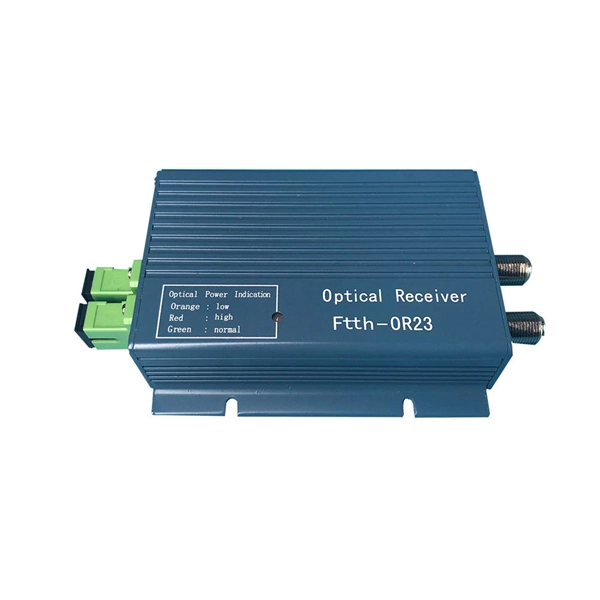
Optical testing involves measuring the laser diode's output power, wavelength, spectrum, and beam profile. These parameters are critical for laser diode applications that require precise and stable optical performance, such as fiber-optic communication systems and optical sensors. 📦 For purchasing, use the RP Photonics Buyer's Guide for laser diode testing. What is Laser Diode Testing? Why is laser. The light-current-voltage (L-I-V) sweep test is a fundamental measurement that determines the operating characteristics of a laser diode (LD). The versatile LIV Test System combines source and measurement. This comprehensive guide dives deep into the methods and considerations involved in testing laser diodes using a multimeter, providing practical insights and actionable steps for ensuring accurate results and preventing costly errors.

Another fundamental method is L–I–V characterization, where the optical output power (L) and voltage (V) are measured against the drive current (I) to determine key parameters like threshold current and slope efficiency. It is often necessary to quantitatively assess the quality, performance, and characteristics of laser diodes. Once known, the next set of choices revolves around mounting a laser diode and choosing the appropriate drivers, regulators, and choosing the placement of the diode within the lab.
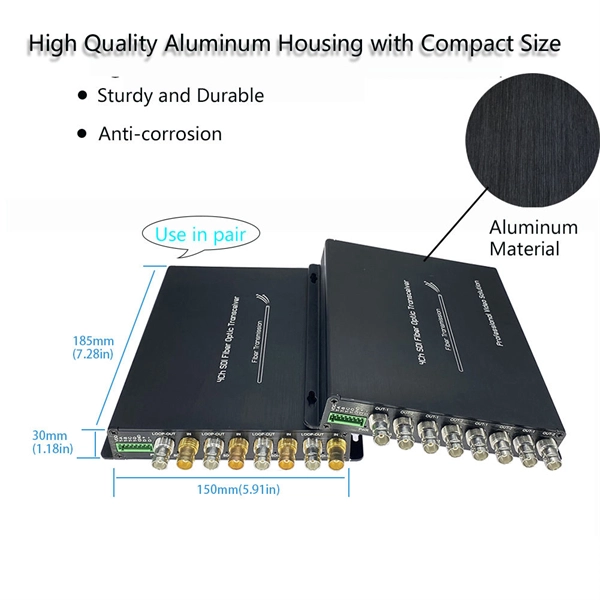
One of the most commonly used and important laser diode specifications or characteristics is the L/I curve. It plots the drive current supplied against the light output. This laser diode specification is used to d.
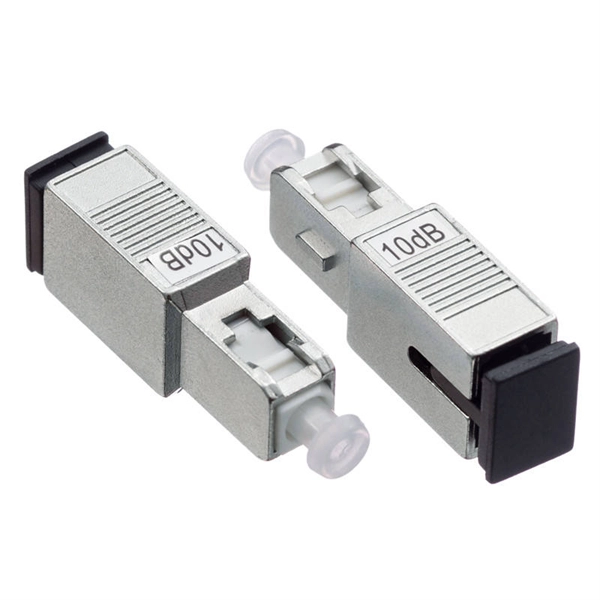
Visual Inspection: Look for signs of damage or wear on the laser diode. If the fiber is broken,repair it by LDF fusion splicer. Replace if Necessary: If the diode is faulty, replace it with a. A detailed post of how to replace a laser diode and setup voltage and current on DC/DC converter. All you need to know how to fix your laser. Valid for Endurance 10 watt / 10 watt Delux / 10 watt PLUS / 10 watt PRO's 10 Watt (10000 mw) "DeLux" real rated power output laser head for your 3D printer. Replacing the laser diode in an AIXIZ laser housing simple as following this video Hope you enjoy!!. A faulty laser driver can result in irregular laser performance. Has anyone here replaced their diodes on their lasers? Most replacement diodes I see look like the have a cap on them. The diode in my laser looks like an “open cap”. Are all these laser diodes the same physical dimensions? Can I buy a 10W 455nm diode and shove it down in the cutter head of our current laser? Or maybe even something.
[PDF Version]
It has three pins; two for connecting 5V and GND, and one for turning the laser on and off. The purpose of this laser diode tutorial is to provide the information necessary to create a long lifetime, stable laser diode system. You can see it the following drawing. If you buy a single laser diode as a standalone component, you need to set up a driver circuit that controls the current through the. ROHM refers to the pins of a three-pin package as pins 1, 2 and 3, clockwise when viewed from the top of the package (the side where the laser beam is emitted). This component is widely used in various applications, including but not limited to optical communications, barcode scanners, laser.
Contact us for competitive quotes on any of our power communication and smart grid products
Get a Quote