Fiber Patch Panel 12 Core is constructed with the highest quality materials, including sturdy aluminum alloy and durable plastic. This means it is built to last and can withstand the rigors of daily use. Features: ● 19′ standard mounting, available for all kinds of rack and. A 12-core fiber patch panel is a fundamental component in structured cabling systems, serving as a central termination point for fiber optic cables. These panels enable efficient cable management, simplify network maintenance, and support reliable, high-speed data transmission across enterprise. MPO Cassette Modules system allows for rapid deployment of high density data centre infrastructure as well as improved troubleshooting and reconfiguration during moves, adds and changes. can be mounted in 1U or 2U 19″ multislot chassis. MPO Cassettes contain factory controlled and tested MPO-LC. Telhua's 12-port fiber optic patch panel offers high-density cable management with IEC/TIA compliance.
[PDF Version]
Learn the step-by-step network patch panel and keystone jack wiring methods, including essential tools, T568A/B wiring sequences, and tool-free installation tips. Connecting a patch panel involves organizing and terminating network cables for easier management and connectivity; the process focuses on punching down cables from wall jacks to the panel and then using patch cables to connect devices to your network. Use a small yellow tool or wire stripper to remove the outer jacket of the network cable. Whether you are improving your home office or setting up a server cabinet, connecting a patch panel yourself is easy. Patch panels make cable management and network organization very easy over long periods of time, but you'll need to. Connecting a patch panel is a relatively simple task that can save you time and money when it comes to setting up and managing a network system. They come in a range of sizes, and are typically mountable, whether that's on a wall, or on a rack to make for easier.
[PDF Version]
The simple answer is: No; patch panels do not require power. Patch panels work by providing a set of ports or connections that allow multiple devices to connect to a single network. They often come with built-in switches, repeaters, or amplifiers that enhance signal strength, reduce latency, and improve overall network performance. This guide will focus on elucidating the aspects of the fiber patch panel, its accessories, the work done with such a device, and how to. In the case of wired networking, a patch panel provides organized cabling and fail-over capability, avoiding the need of costly cable re-runs or unnecessary complex network configurations.
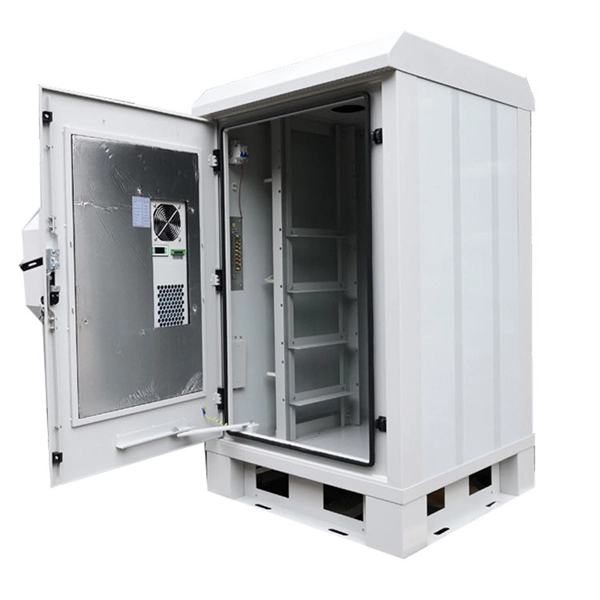
It is conventional to have the top row of jacks wired at the rear to outputs and bottom row of jacks wired to inputs. Patch bays may be half-normal (usually bottom) or full-normal, "normal" indicating that the top and bottom jacks are connected internally. When a patch bay has bottom half-normal wiring, then with no patch cord inserted into either jack, the top jack is internally linked to the bottom jack via break contacts on th.
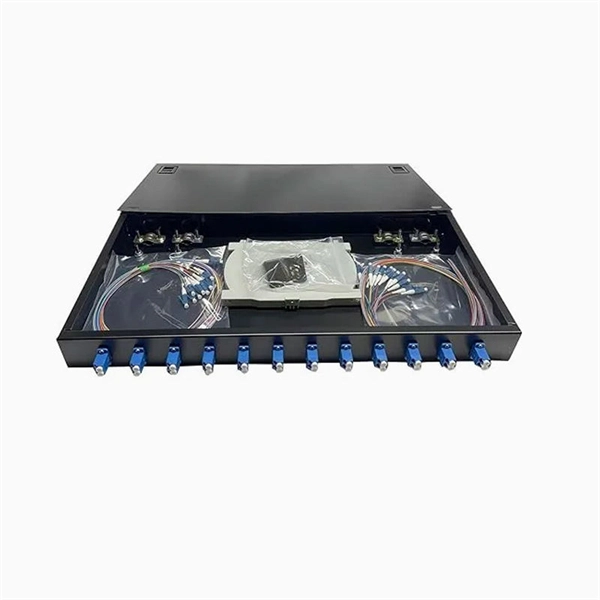
Relying on fiber optic pigtails, which patch panels are connected with using fusion splicing or mechanical splicing, ensures that installation time and reliability are achievable. Customization Available: Terminated pre-pigtails labeled and/or color-coded for convenience. A fiber optic patch cord is a short-length cable (typically 1–10 meters) with pre-terminated connectors on both ends. Its primary function is to connect active network devices (e. Think of it as a. Fiber pigtails are simple in appearance, yet essential in function. You fuse it to a. A fiber optic cable is the physical transmission medium containing one or multiple optical fibers protected by layers of strength members and jacketing It is typically used for: Common types include: In practice, “fiber cable” is often used as a simplified term, but “fiber optic cable” is the more. Pro Tip: Select modular patch panels if your need for consistent upgrade or modification of port configuration. The difference in this core positioning determines the vast disparity between them in structure, connection methods and application scenarios.
[PDF Version]
The drop cable connects your home, the patch panel organizes the network, the splice keeps connections seamless, and the optical splitter shares the signal with your neighbors. Don't worry, you don't need to be an engineer to understand how they work. Imagine a well-labeled. FTTH drop cable patch cords are made of standard FTTH fiber optic cabling and are terminated with fiber optic connectors on both ends. As previously mentioned, it is located on the subscriber end to connect the terminal of a distribution cable to a subscriber's premises.
An Optical Distribution Frame (ODF), also known as a fiber optic patch panel, is a specialized hardware unit that centralizes fiber optic cable connections. Acting as a “traffic hub” for light signals, an ODF: Organizes incoming and outgoing fiber cables. Where Do ODF and Fiber Patch Panels Fit in a Modern Fiber Network? To understand the. Modern patch panels focus on maximizing port density within standard rack units (1U, 2U, 4U). However, they. A fiber optic patch panel (also known as fiber distribution panel, fiber patch bay, optical patch panel, or fiber termination panel) is a modular, rack-mountable unit designed for high-density fiber termination, organization, and cross-connection in structured cabling environments. ODF typically contain several ports or slots into which fiber optic cables can be.
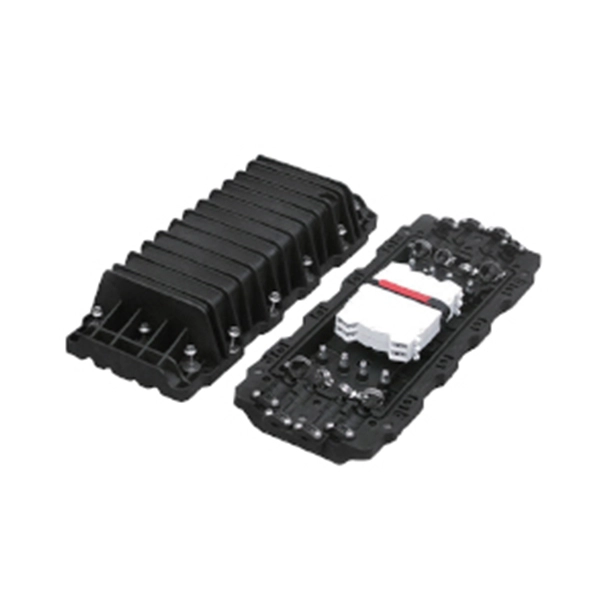
Entry-level models may start at around $50, while high-end versions with enhanced durability, superior cable management, and support for advanced fiber standards (such as OM3, OM4, or OS2) can exceed $150. Please view our full RLH price list and contact us at info@fiberopticlink. com if you have any questions or special project needs. Need help? Explore fiber patch panels for network infrastructure. Our collection includes 1RU, 2RU, and 4RU rack mount enclosures, wall-mount fiber panels, sliding patch panels, and. Notes: The FC simplex rack mount fiber optic patch panel in the FPP124 series has been upgraded with 6 cable entries instead of 4. 8 billion by 2030, driven by escalating demand for high-bandwidth applications like 5G, cloud computing, and IoT. 7% CAGR reflects intensified investments in data centers and FTTH deployments. Key trends. The 24 port fiber patch panel price can vary significantly based on multiple variables such as build quality, materials used, brand reputation, connector types, and additional features like rack-mount compatibility or dust protection.
[PDF Version]Contact us for competitive quotes on any of our power communication and smart grid products
Get a Quote