Buy premium Optical Fiber Cables in bulk from verified wholesale suppliers and manufacturers in Sri Lanka. * T&C Apply * T&C Apply * T&C Apply * T&C Apply * T&C Apply * T&C Apply * T&C Apply * T&C Apply * T&C Apply * T&C Apply * T&C Apply * T&C ApplyHigh-quality fiber optic cables from Eastlink. It involves navigating a competitive import market, technological trends, and specific project requirements. Prices are not fixed; they vary widely based on cable type, volume, and supplier capability. Sri Lanka's fiber. Our curated selection includes high-performance Fiber Optic Cables for robust backbone and last-mile connections, organized and distributed through structured Fiber Patch Panels. Ensure seamless compatibility and minimal signal loss with our precision Fiber Adapters and essential Fiber Accessories. Srilanka - Shop for Best Online at Daraz. lk Wide Variety of fiber optic cable.
[PDF Version]
A simple 1-core FTTH drop cable costs around $0. Fiber-optic cable materials typically cost $1 to $6 per linear foot, depending on fiber count and cable type. Commercial building installations with 100-200 network drops generally range from $15,000 to $30,000. Adding switches, high-end enclosures and other issues can also. Typically, per drop fiber cabling prices range from $250 – $1000 per drop depending on the type of fiber (OM2, OM3, OM4, or OM5), multi or single mode, PVC or plenum, average drop length, and also the number of fibers in each cable. In this guide, you'll get data‑driven ranges you can reference in bids, an illustrative cost breakdown, and a step‑by‑step pricing framework you can hand to your. Fiber optic cable installation costs between $1,500 and $7,000 for your home, with prices varying by cable length and installation method. The installation type you choose and the layout of your property determine the total labor and materials needed for your project. You should account for permit.
[PDF Version]
This guide shows the cost landscape, with clear low–average–high ranges and per-unit pricing to help plan a project. Cost ranges for fiber optic projects vary by run length, fiber type, and whether the build is indoor or outdoor. In this article, we'll break down the key. Fiber-optic cable materials typically cost $1 to $6 per linear foot, depending on fiber count and cable type. Commercial building installations with 100-200 network drops generally range from $15,000 to $30,000. Single-mode fiber costs less per foot than multimode fiber, but it requires more. Fiber optic network construction is linking together all forms of digital infrastructure to ensure that optical telecommunications traffic can seamlessly reach end users at the lowest possible cost. This. 1) Proofing and Placement - Per foot pricing for proofing and placement of approximately 1,856,332 ft (351.
[PDF Version]
Whether you need singlemode, armored, or indoor plenum, this guide gives you the exact cost per foot of fiber optic cable — including installation — so you can budget without guesswork. Data aggregated from Q1 2026 contractor invoices across Texas, Ohio, and North Carolina. Buyers typically pay a range for fiber optic cable per foot depending on fiber type, jacket, and shielding, plus installation considerations. Commercial building installations with 100-200 network drops generally range from $15,000 to $30,000. Unlike consumer fiber cables, industrial versions must withstand temperature shifts, vibration, UV exposure, crushing. Let's be real: If you are wondering “how much does fiber optic cable cost” for your next project, you've probably seen quotes that make zero sense. One supplier in your inbox promises $0. 05 a foot, while a domestic distributor is asking for ten times that.
[PDF Version]
Prices vary based on the length of cable needed, installation method (aerial or underground), and labor rates in your area. Expect to pay $1 to $12 per linear foot, depending on project complexity and materials. Whether you're expanding your data center, connecting multiple buildings, or future-proofing your connectivity, accurate pricing information helps you budget effectively. This. The Fiber Broadband Association has partnered with Cartesian to research the cost of deploying fiber and provide insight on how these costs are evolving over time.
Junction box costs range from low‑price indoor models ($10‑$60) to weatherproof units ($70‑$450), with installation averaging $100‑$300 depending on location and materials. If you're planning any electrical work, one of the small but important items on your list will be the. Buying fiber optic installation services involves several cost components, with total price influenced by length, location, and access. The main cost drivers include trenching or aerial deployment, materials, labor hours, and any required permits. Typically, per drop fiber cabling prices range from $250 – $1000 per drop depending on the type of fiber (OM2, OM3, OM4, or OM5), multi or single mode, PVC or plenum, average drop length, and also the number of fibers in each cable. Adding switches, high-end enclosures and other issues can also.
A practical, engineering-focused guide to planning and installing underground fiber optic cables with the right cable structure, trench design and protection level for long-life, low-risk networks. Match trench method with the correct underground fiber structure (GYTS . These are the outdoor fiber optic cables you see strung along telephone poles (aerial), installed inside an underground duct, or even buried directly below ground. 2 meters (3-4 feet) deep to reduce the likelihood of accidentally being dug up. It affects performance, maintenance, cost, and reliability.
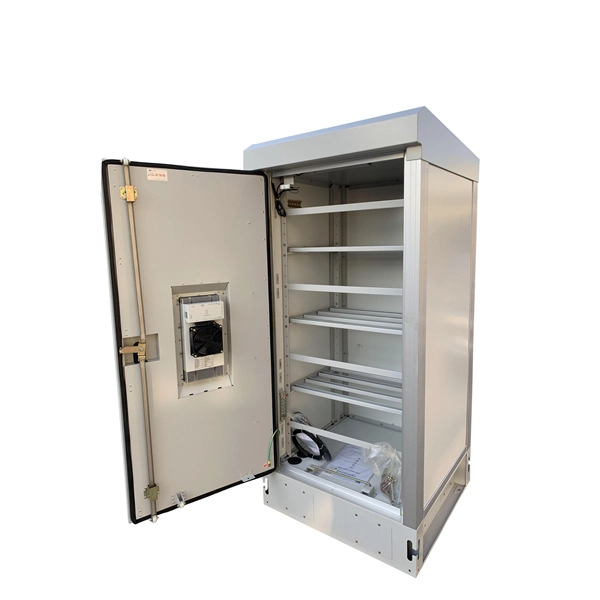
Check the details of your Fiber Optic Splice Enclosures. For outdoor setups, make sure the enclosure has weatherproof ratings like IP66 or NEMA Type 4X to handle tough conditions. In this technical guide, we will explain exactly what the IP68 waterproof standard means, why it is critical for telecommunications, and what structural features define a professional-grade enclosure. What is an IP Rating? Decoding “IP68” “IP” stands for Ingress Protection, a standard defined by. A fiber optic splice closure, also known as a fiber optic splicing enclosure, is a device designed to house and protect fiber optic splices, ensuring secure connections in both indoor and outdoor environments. Two common ones are NEMA and IP ratings.
The IEC has published a new standard for the testing of fibre optic cabling. IEC 61280-4-5 provides test methods to measure the attenuation of installed multimode and single-mode optical fibre cabling plant as well as the determination of their polarity and length. Fiber optic testing of a newly installed system not only verifies that the system meets its design requirements, but also creates a performance baseline for all future testing and troubleshooting of t at system. Corning recommends that all fiber optic systems be tested to a minimum set. for installing electrical products and systems. NEIS® are intended to be referenced in contrac documents for electrical construction ation or liability to users of this publication. Lower attenuation means less signal loss over distance. Patch cords and jumper cables must meet stricter performance requirements because connectors. ANSI/TIA‑568.
[PDF Version]Contact us for competitive quotes on any of our power communication and smart grid products
Get a Quote