The Global Data Center Rack Market to grow at an 8. 3% CAGR, expanding from USD 4. 3 billion by 2030, driven by hyperscale data centers, cloud computing expansion, high-density server deployment, and colocation infrastructure demand, guided by Strategic. Data centres will be a core component for the digital infrastructure investment in the years ahead (Credit: Bain & Company) The global data centre sector is experiencing an unprecedented investment surge as AI fundamentally reforges the world's digital infrastructure. Source: Secondary Research, Interviews with Experts, MarketsandMarkets Analysis The global data center rack market is projected to grow from USD 5. 42 billion by 2030, at a CAGR of 12. 7%, driven by the rapid expansion of hyperscale, colocation, and edge data centers. 68 Billion. Nearly 100 GW of new data centers will be added between 2026 and 2030, doubling global capacity. The United States accounts for roughly 40 percent of the global.
[PDF Version]
An optical module is a small device that moves data using light. It changes electrical signals into light signals and back again. This helps data travel faster and farther than with copper cables. Optical modules are very important for fast internet, cloud computing . An optical module is a typically hot-pluggable optical transceiver used in high-bandwidth data communications applications. As AI models grow more complex and datasets balloon in size, traditional copper-based interconnects are. Optical modules use light to send data quickly and reliably. They are used in fiber optic communication systems to transmit data over long distances with minimal loss and interference.
This colocation data center is a high-density interconnection point for the West Coast, with connectivity to leading domestic and Asia Pacific carriers, cloud providers, and local internet exchanges. Our metro footprint also provides access to Bay Area colocation facilities. Through the surging tides of history and the forging fires of the times, Shougang Group stands as a testament to resilience and transformation. (abbreviated as Shou Zixin Company), with the English name Beijing Shougang Automation Information Technology Co. Versatile and scalable. Gelonghui, August 11 | Shougang Holdings (00697.
This study proposes the container data center with the featured cold aisle containment (CAC) as effective thermal control strategy. In design, the overhead downward flow system is implemented with a he.
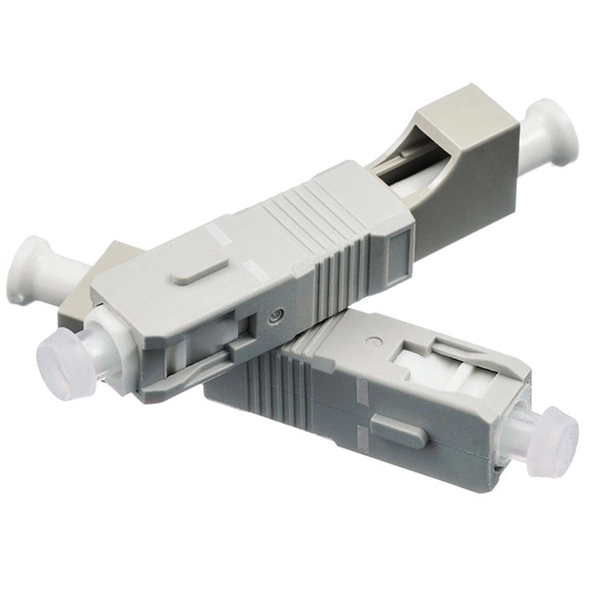
Fiber optic technology is the basis of today's communication networks, offering fast, long-distance, and low-loss data transmission. With compact designs and reliable performance, LC UPC patch cords are ideal for high-density environments like data centers and enterprise networks. This is especially true, given that global high-speed and high-bandwidth connectivity is a key component of digital infrastructure; these cables are utilized in. This guide provides a fully updated and industry-ready overview of LC fiber optics, explaining the origin and design of LC connectors, their key features, and the complete ecosystem of LC-based products used in modern networking. In this article, we'll explore why LC UPC patch cords remain the go-to choice for engineers and procurement managers building next-generation fiber. Among various optical fiber connectors, LC (Lucent Connector) fiber connectors have emerged as a dominant standard, particularly in data centers, enterprise LANs, and high-density cabling systems. More specifically, the term LC to LC refers to those cables where both ends are terminated with LC connectors.
[PDF Version]
Optical modules convert electrical signals into light to move data quickly and reliably in AI systems, enabling fast and smooth data processing. In: Proceedings of the 22nd AC Workshop on H t Topics in Networks. Cambridge, MA, USA: Association for Computing Machinery, 2023, pp. Optical Signal. Today, data centers use a separate approach for optics and electronics, in which optical modules are connected to switches and routers through high-speed electrical interfaces. As data demands grow, these systems face limitations such as bandwidth constraints, latency issues, and space limitations. Optical chips come in two primary categories: laser chips and detector chips. These two types work hand in hand to enable data transmission through optical signals. Laser chips, or light-emitting chips, are the heart of optical communication systems. They are responsible for generating laser light. Marvell® is at the forefront of this change, delivering PAM4, coherent and coherent-lite DSPs that power AI fabrics, data center interconnects and telecom networks with unmatched performance and energy efficiency.
[PDF Version]
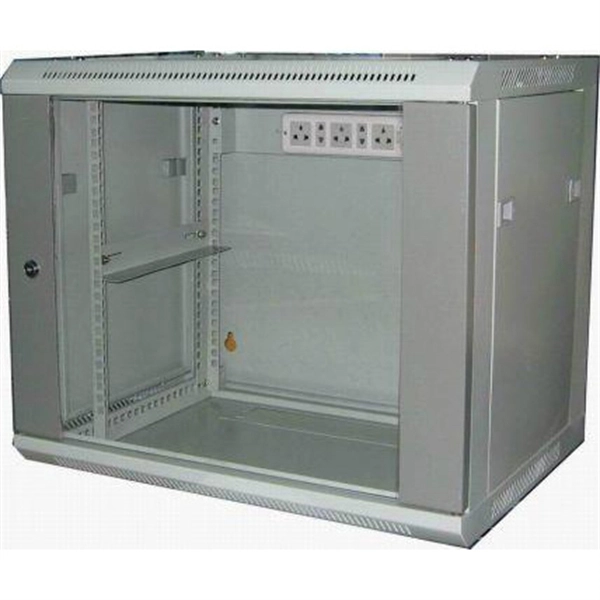
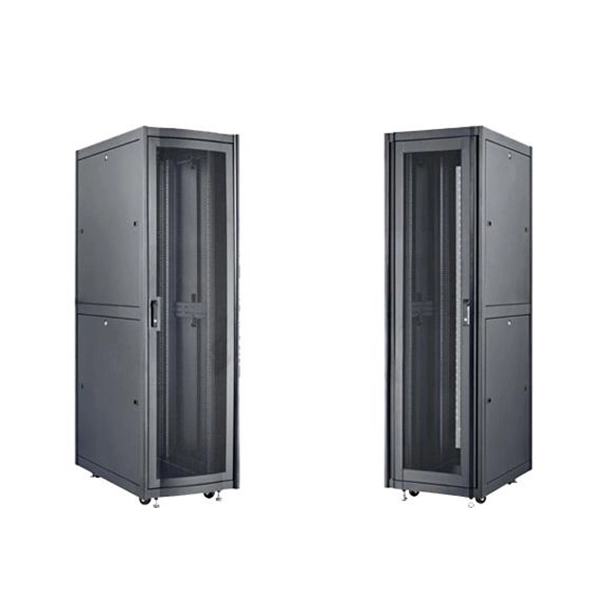
Before installing system components, locate the hole pattern in the rack rails to allow adequate Unit height (U) of vertical space. Rack cabinets that meet EIA-310 standards have an alternating pattern of three holes per rack unit. Rack rails are the vertical structures inside a server rack that provide the mounting points for IT equipment like servers, switches, and storage devices. These rails are typically equipped with pre-drilled holes or slots to accommodate screws or cage nuts, ensuring secure installation. Two-Post Racks: Ideal for telecom installations, supporting equipment either by the front panel holes or closer to the center of gravity to. The Electronic Industries Association (EIA) establishes standards for cabinets and racks intended for use with computers and other electronic equipment. Whether you are designing a new setup or optimizing an existing one, understanding key IT rack terminologies is essential. This article provides an overview of the.
[PDF Version]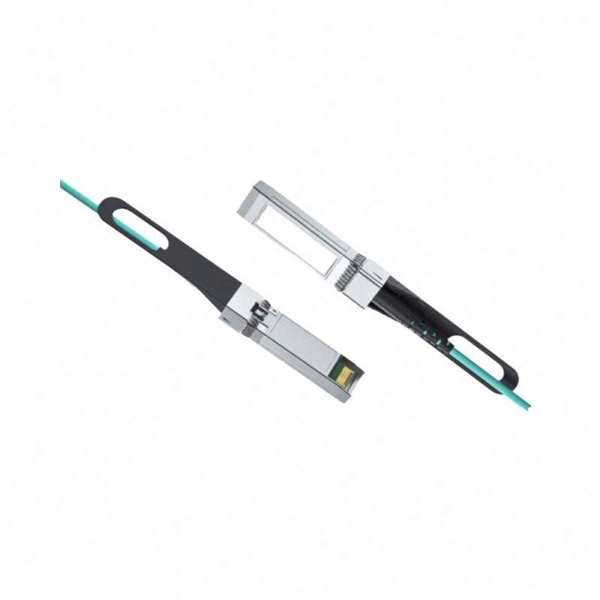
The number of racks in a data center varies widely depending on its size and purpose, ranging from a handful in small server rooms to tens of thousands in hyperscale facilities. In short, it's highly variable. Why does it matter? Prevents wasted space, reduces hot spots, ensures compliance, and avoids costly retrofits. A typical enterprise data center might house hundreds of racks, while a large colocation facility could contain. When thinking about data centers, a common question is: how many servers fit inside these facilities? The answer depends on factors like size, design, and purpose. This calculator helps you plan rack layouts by calculating the total rack units.
How to Identify Fibers in High-Count Cables (>12 Fibers) For cables with more than 12 strands (e. The 12-color sequence is applied twice: first to the outer Buffer Tube, and then to the individual. Understanding fiber‑optic color codes is essential for any technician tasked with installing, maintaining, or troubleshooting modern fiber networks. By adopting the TIA/EIA‑598C standard, you gain a universal “language” of colors that speeds identification, reduces miswiring, and enhances safety. Staring at a tangled mess of colorful fiber optic cables and wondering which one is which? You're not alone. Whether you're installing a new link or troubleshooting a network fault, misidentifying a fiber type is a costly mistake. This guide cuts through the confusion. This color-coding standard ensures consistency, safety, and reliability throughout manufacturing, installation, and maintenance. By following it. Fiber optic cables are the arteries of modern communication—from data centers to factories, these slim strands of glass move terabits of information every second.
[PDF Version]Contact us for competitive quotes on any of our power communication and smart grid products
Get a Quote