Wiring Direction: Wiring between the main circuit breaker and each branch circuit breaker in the box generally goes on the left, and the wiring out of the distribution box generally goes on the right. Binding Requirements: The wires should be bound with plastic ties. Electrical distribution system design is a critical aspect of industrial facility engineering that determines how electrical power is delivered from the utility service to end-use equipment. Its layout directly affects the efficiency of the. The answer lies in a well-thought-out factory power layout. This intricate dance of cables, transformers, and switchgear is what powers every machine, light bulb, and device in an industrial facility. But planning such a system is no small feat. Electricity flows through this network like lifeblood, energizing every machine, sensor, and light fixture that makes production possible. This way, the same distribution board can be used to split the load points via multiple RCD's.
[PDF Version]
Learn the step-by-step process of customizing complete distribution boxes tailored to your needs. From requirement confirmation to design, production, and testing, find out how to get a reliable, flexible distribution system. Custom services let you add overcurrent protection, better sealing against moisture, and modular layouts for future upgrades. Building your own distribution box allows. Learn how to design an electrical power distribution system step by step, covering load analysis, voltage selection, equipment choice, and safety compliance.
Check the electrical load and ensure that the sensors do not exceed the 10 Amp maximum. Check the tightness of electrical connections along the. The electrical breaker box, also known as a distribution panel or load center, is the heart of your home's electrical system. Test the Circuit When devices in your new box don't work, you start by testing the circuit. This also helps keep your family safe.
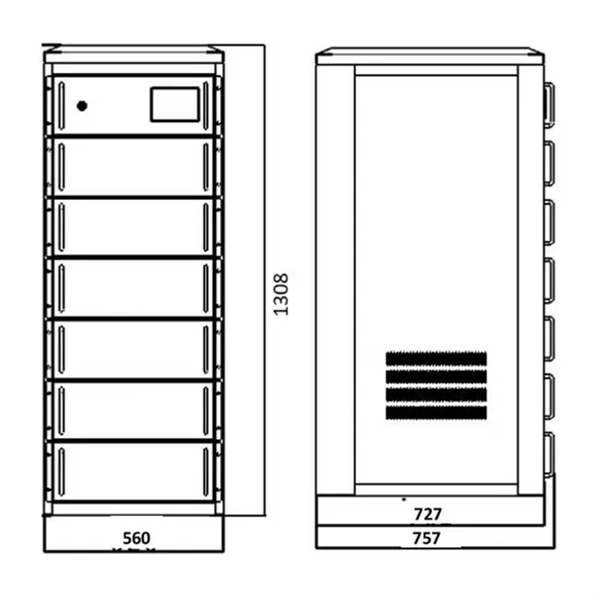
The drawing shows proper installation methods for LV cable trays and SAS (Security Access System) cable routing with vertical offsets above and below existing infrastructure. Support brackets are detailed with appropriate fastening methods and spacing requirements. For licensed electricians, mastering these principles is essential. Cable tray systems provide a safe, organized, and flexible method for supporting insulated conductors and cables in commercial and industrial electrical installations. Key features include cross-sections of.
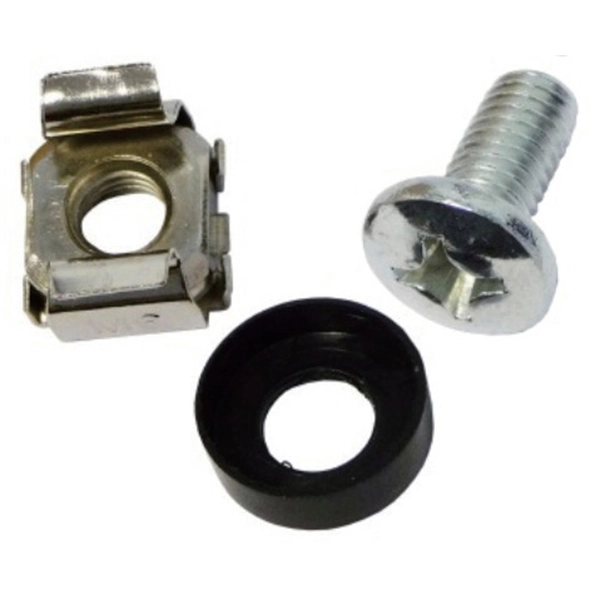
In this guide, we'll break down everything you need to know to install a distribution box correctly and confidently. Choose the right box based on environment (indoor/outdoor), load capacity, and durability. Check for proper IP/NEMA ratings and material quality. This project involves combining an enclosure, protective devices, and various receptacles into a single, portable, or semi-permanent unit. Whether in a home or an industrial facility, this box keeps your electrical setup organized, functional, and efficient. However, the key to. Here are some steps to follow in building an electric distribution box: Determine the electrical requirements: Before building the electric distribution box, you need to determine the electrical requirements of your home or building. Single Phase Distribution Box generally consists of Double Pole MCBs, Single Pole MCBs, and RCCBs. A distribution box, sometimes referred to as a panel board, distribution board, or breaker panel, is an essential part of electrical systems that makes it easier to distribute electricity throughout a structure.
[PDF Version]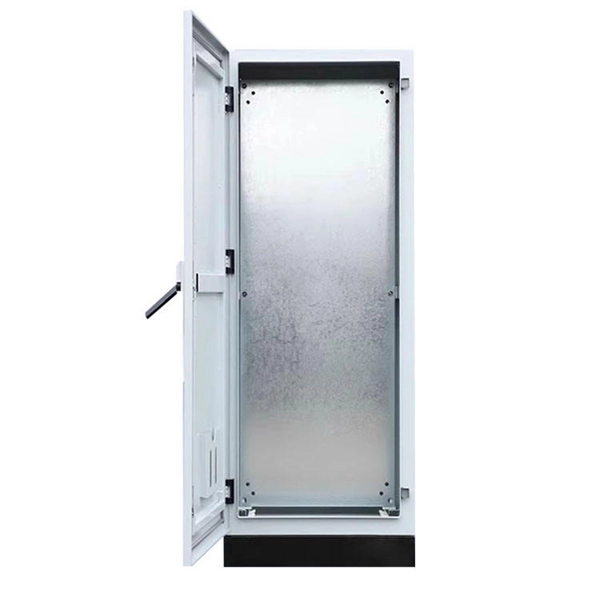
Unscrew the junction box attached to the wall or ceiling and carefully pull it out. Knock out the hole in the new box where wires will. I show how I took off the original electrical box, referred to as new work electrical box, from a wall so I could upgrade it to a double gang old work box to handle an additional switch for the fan in the bathroom. Make sure there's no electricity present as you might get electrocuted if the. There are several steps that need to be taken in order to make sure that you don't damage the box or your home's wiring. My living room has an electrical box with a switch, which runs to. Start by turning off the power to the circuit at the breaker box to ensure safety. Once you've located the stud, use pliers or a. Summary: To safely demolish a wall with outlets, gather the right tools, prepare the area, turn off power, score corners, disconnect outlets, remove drywall, move/terminate outlets, and cut out studs.
[PDF Version]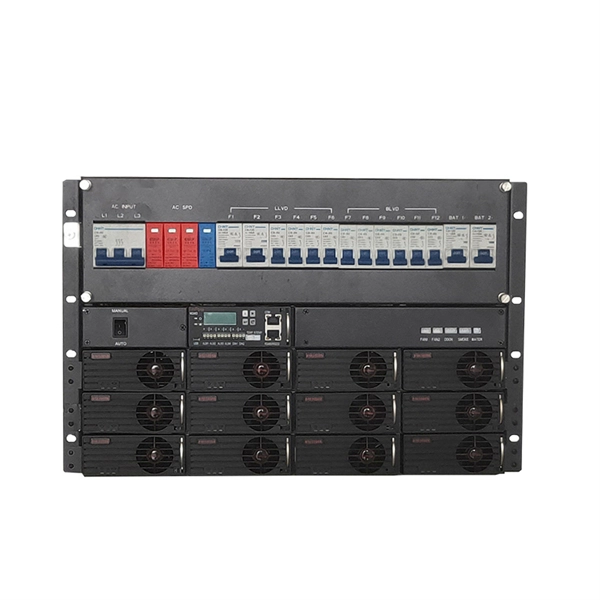
The distribution box is divided into power distribution box and lighting distribution box, which is the last level equipment of the distribution system. It helps control and distribute electricity to different areas. Inside, you'll find parts like circuit breakers and fuses that protect the system from problems like overloads and short circuits. From powering homes and industrial facilities to supporting medium-voltage infrastructure, these enclosures ensure safe, efficient, and reliable power distribution. This guarantees the safe flow of electricity, improves reliability, simplifies maintenance, and also helps to comply with electrical standards for the distribution.
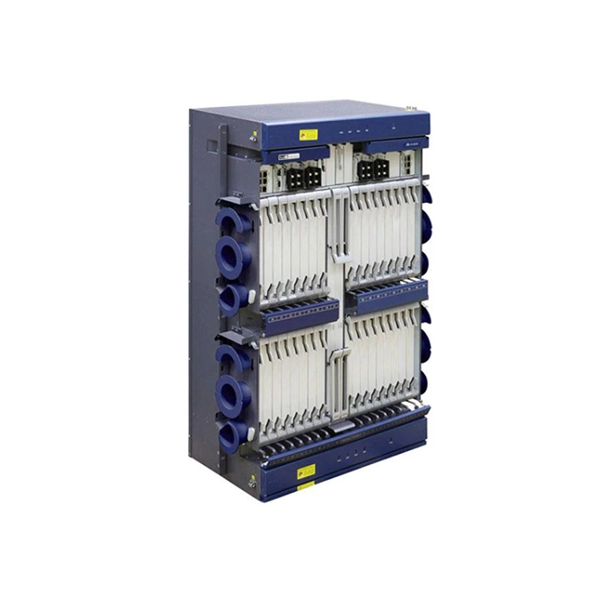
What Is a Distribution Box?A distribution box, also known as a power distribution unit, is a critical component in any electrical system. It is the control center fo.
Spacing Standards: Electrical (power) and instrumentation (signal/control) cable trays should maintain a minimum vertical and horizontal distance. Dividers or Partitions: Where. Support spacing for cable trays must align with the manufacturer's instructions, as outlined in NEC 392. Generally, standard trays require supports every 6 to 10 feet, while heavy-duty, long-span trays can handle distances of up to 20 feet between supports. In planning a project, one has a choice of either utilizing numerous. National Electrical Code (NEC) specifies the capacities of cables rated at 2000 volts or less in cable trays. NEC governs pathway compatibility; TIA governs spacing to mitigate EMI and mechanical interference. Best Practice: Unshielded data cable vs. power cable requires 12 inches of separation unless a listed barrier or separate.
Contact us for competitive quotes on any of our power communication and smart grid products
Get a Quote