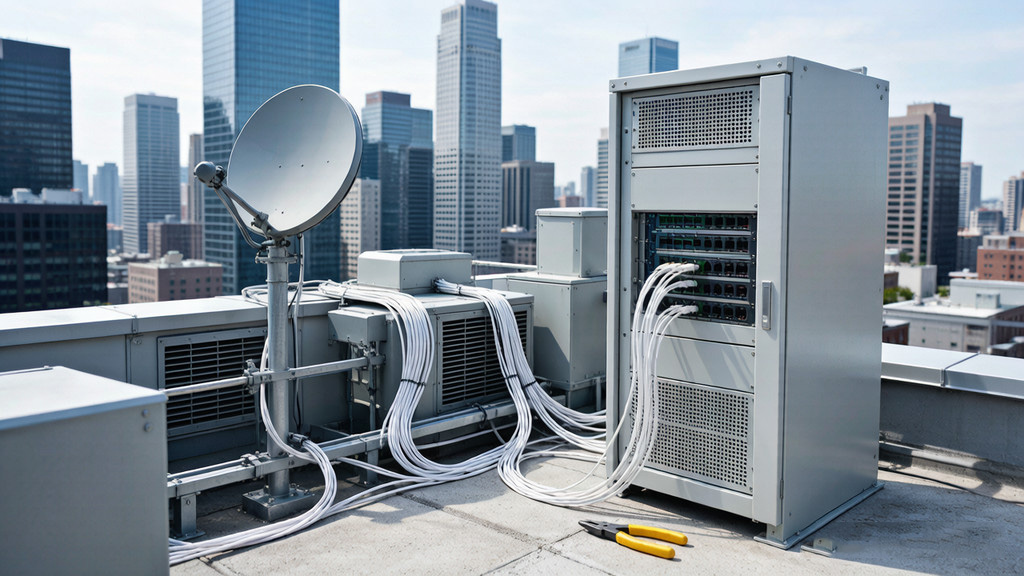
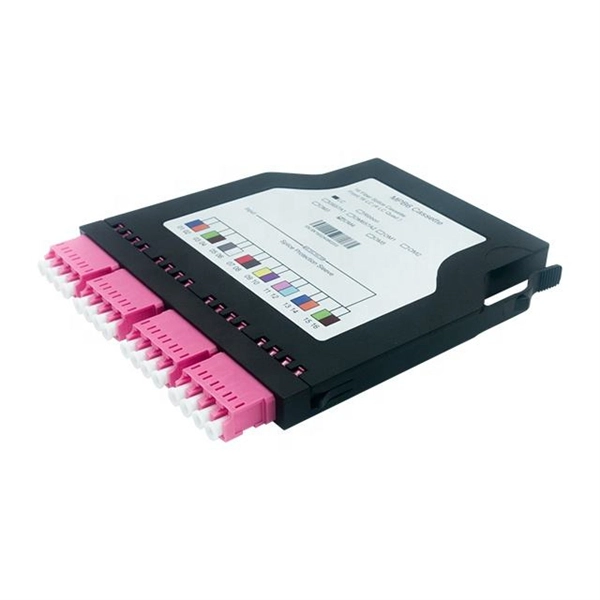
Among the most important emerging trends in fiber optic technology for 2025 are: Ultra-low loss (ULL) fiber, extending long-distance data transmission with minimal signal degradation. Artificial Intelligence (AI) is revolutionizing how fiber optic networks are monitored and optimized. 5%) are now serviceable by fiber—an increase of 13% in 2024. In recent years, there has been a notable shift towards the.
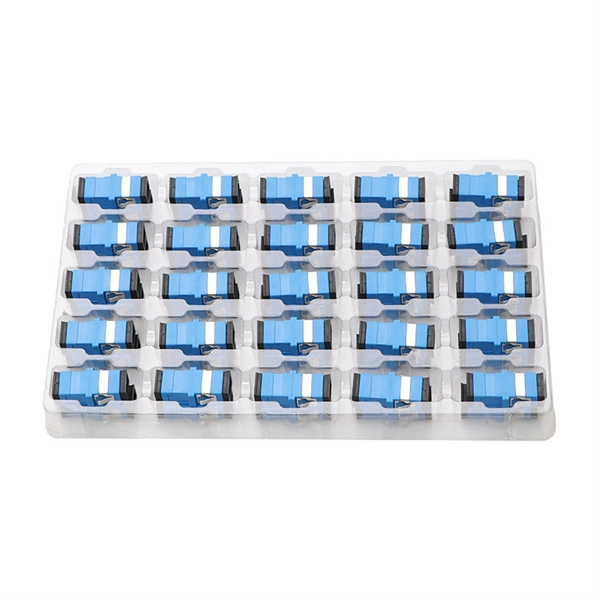
Access 52 verified Fiber Optic Cables Suppliers in Chile with shipment-level prices, volumes, routes, buyer networks, and verified decision-maker contacts — all backed by bills-of-lading. The company specializes in advanced fiber optic telecommunications and is dedicated to deploying fiber optic networks throughout Chile, enhancing broadband access for consumers and businesses. Their extensive ultra-broadband network, built to high industry standards, supports the digitalization. Volza's Global Partner Finder scans 3. 5 billion+ shipment records with 20+ precision filters to uncover the most reliable and economical suppliers for you.
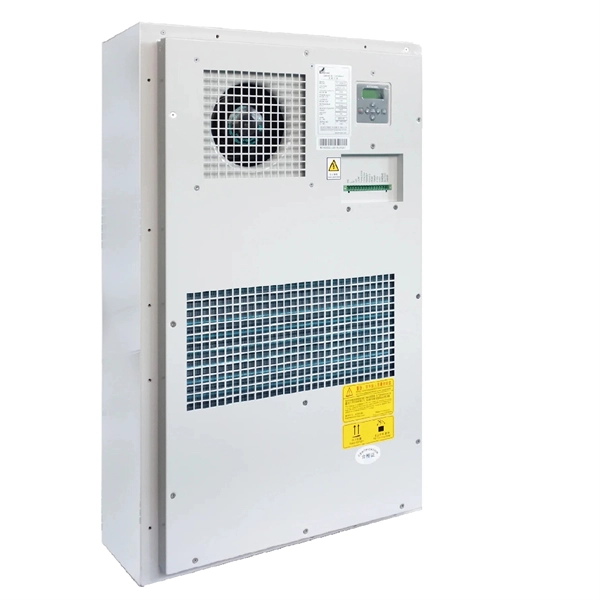
Governments and transportation authorities are increasingly recognizing the critical role of fiber optic networks in enabling advanced traffic management systems, real-time surveillance, vehicle-to-infrastructure (V2I) communications, and automated toll collection. A first-of-its-kind project for the Arizona Department of Transportation (ADOT), ADOT installed fiber optic cables along 63 miles of roadway as part of their long-term strategic plan to make interstate travel more efficient and bring internet to rural communities — serving as the backbone of the. Fiber monitoring for transportation and highway networks refers to the use of fiber optic technology to monitor and manage various aspects of these networks. Using new or existing fibre optic infrastructure as an intelligent traffic sensor allows faster, less. The Transport Fibre Network project to deploy fibre optic cables along key national highways. Optical Fiber Cable (OFC) networks, particularly Dark Fiber, have emerged as efficient solutions for.
[PDF Version]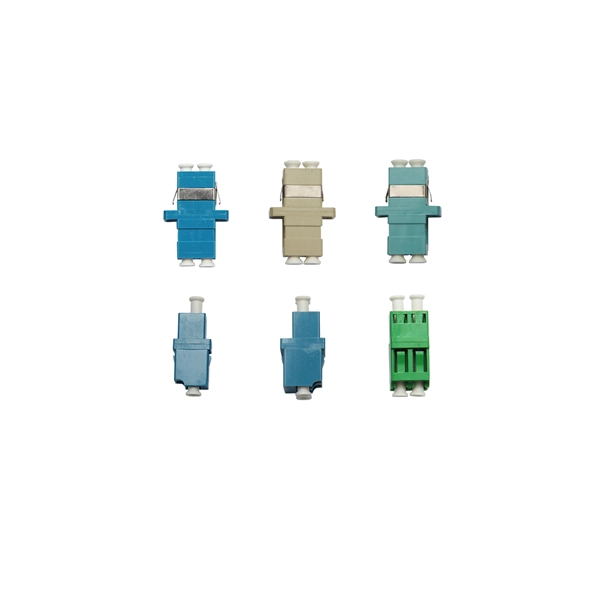
New fiber lines can be installed to pass through empty conduits if the bandwidth is needed in the future, thus no new path needs to be trenched. Also, conduit makes the replacement of cables easier when an existing line has been damaged or requires changing to a line with a higher. Installing fiber optic cables underground involves far more than digging trenches and placing cables. It forms a critical backbone for modern communication networks across both urban and rural environments. Project success depends on careful planning, precise installation practices, and proper. Outdoors, it depends on whether the cable is buried directly, pulled in conduit, strung aerially or even placed underwater. (FOA) was founded in 1995 to help develop the workforce to build the fiber optic networks to support a rapid expansion in communications and the Internet. Following these ensures integrity, prevents damage, and protects installers, contributing to the overall reliability of the.
[PDF Version]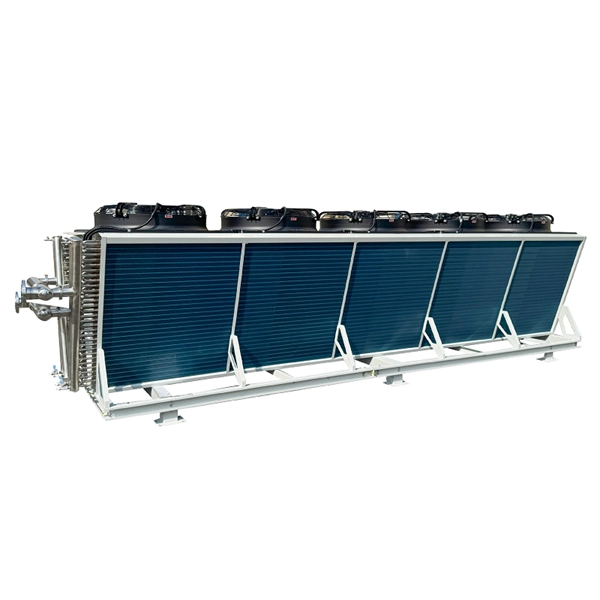
To connect one device having FC/PC interface with one FC/APC interface, an option is to use a piece of optical patch cord that has FC/PC and FC/APC at its ends. FC/PC and FC/APC connectors are widely used in fiber optical devices, equipment and systems. It is a common problem many people have when they use those two types of connectors: those connectors can not join with each other, because their tips. Today, this post will introduce APC, UPC, and PC fiber connector types, which are classified based on the different angle polished fiber end face shapes. Next, the post will introduce the polish style, structure, difference, application, and usage attention of these connectors. Each type varies by shape, polish (APC, PC, or UPC), and return loss performance, which affect PC, UPC, and APC Polish Styles: What's the. A fiber optic patch cord, also known as a fiber optic patch cable or fiber jumper, is a length of fiber optic cable capped at both ends with connectors that allow it to be rapidly and conveniently connected to an optical switch, router, or other telecommunication/network equipment.
[PDF Version]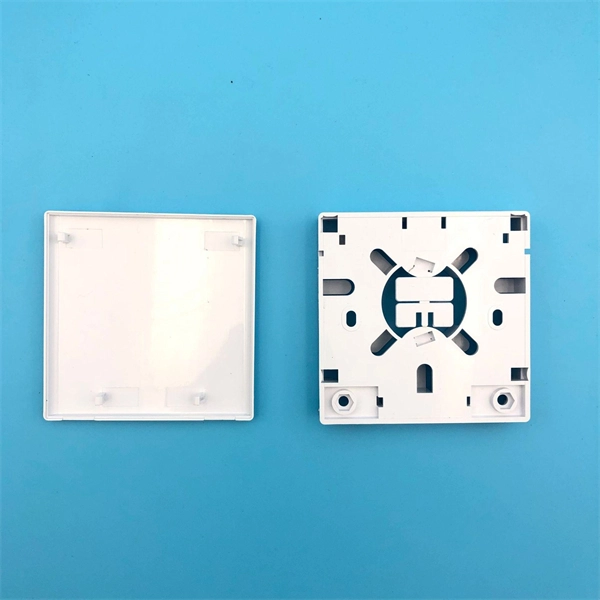
Full-spectrum single-mode fibre in accordance with ITU-T G. D with optimised transmission characteristics. Suitable for the operating wavelengths in all FTTx networks. The IEC and ITU-T and under zero-dispersion wavelength and the resulting displacement of the cut-off wavelength single-mode fiber is divided into six types. 655, as required by telecom systems manufcturers and their customers. 652 (Tables A, B, C & D), IEC Specification 60793-2-50 Type B1. 3, TIA/EIA 492-CAAB and Telcordia Generic Requirements GR-20-CORE. A map illustrating the connection of IEC designations to ITU-T designations is shown in Annex I.
Contact us for competitive quotes on any of our power communication and smart grid products
Get a Quote