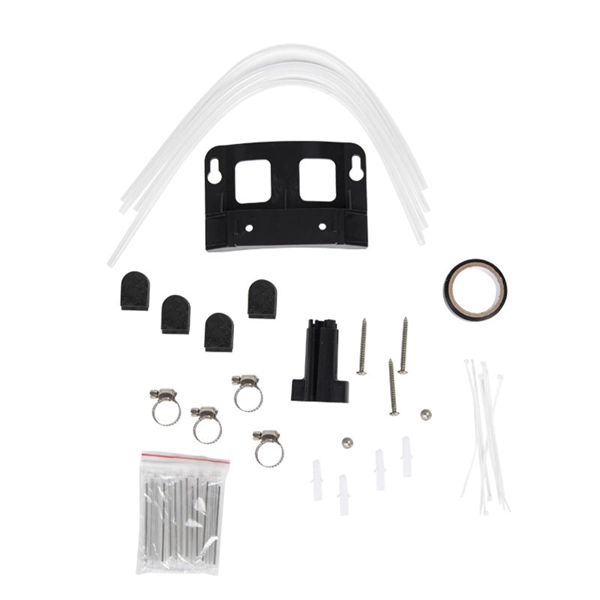
A tension clamp is a mechanical fixture used to anchor fiber optic cables—particularly ADSS (All-Dielectric Self-Supporting) cables and drop cables—at points of high mechanical stress, such as terminal poles, angle poles, or dead-end poles. Anchor clamp for round fibre optic cable. Ø 8-10 mm - stainless steel and fibreglass handle. Durable aerial hardware for fiber utility and telecom builds, including brackets, straps, J-hooks, clamps, grounding, and mounting solutions for pole line and aerial cable support. Its unique patented design has been developed to propose a universal fitting covering all installation situations on wooden, metal or concrete poles. Encompass everything from distribution terminals. FTTH Cable Drop Wire Clamps and related accessories are essential components in fiber-to-the-home (FTTH) systems. The clamps, available in various types such as Fiber Tension.
[PDF Version]
Fusion splicing is most widely used as it provides for the lowest loss and least reflectance, as well as providing the most reliable joint. Virtually all singlemode splices are fusion. Fiber optic joints or terminations are made two ways: 1) splices which create a permanent joint between the two fibers or 2) connectors that mate two fibers to create a temporary joint and/or connect the fiber to a piece of network gear. For network managers and technicians, a poor splice can lead to significant signal degradation, network downtime, and costly troubleshooting. There are numerous use cases for fiber optic splicing. As. Splicing fiber optic cable is an extremely important phase for making dependable, high-speed communication infrastructures. Regardless of the type of fiber network you're deploying, be it for telecom, enterprise data centers, or smart city infrastructure, fusion splicing provides the benefits of. Splicing is most commonly used in the field but has application in cable assembly houses.
[PDF Version]
U-Ton Engineering Limited is a Ghanaian based engineering consortium and a fiber optics industry pioneer. These cutting-edge solutions ensure from Fibre iQ Limited can integrate fibre into existing infrastructures using the latest technologies and techniques. During this process, our team. The Signal fire (Al-9) SM&MM Automatic Intelligent Optical Fiber Fusion Splicer by Fusion is a high-tech tool designed for electrical and industrial use. This advanced piece of equipment allows for precise and efficient splicing of optical fibers, ensuring a reliable connection for various. Reliable IT solutions for individuals and organizations in Ghana. Fiber optic cables and accessories, installation and distribution services. Don't know your target market? Wanted to market your Fibre Splicing products globally? Join TradeFord. This device is for use within several areas of fiber optic deployment, Premise (on site), OSP (outside plant), or FTTX (fiber to the subscriber) splicing.
[PDF Version]
Fiber optic splicing costs vary widely depending on project size, location, fiber type, and site conditions. This practical guide will demystify the complexities surrounding fibre splicing expenses, offering clear insights and. Buyers typically pay for fiber optic cable by length, fiber type, and installation complexity. Main cost drivers include cable grade (indoor vs outdoor, armoured), distance, and labor for trenching, splicing, and termination. This guide presents ranges in USD and practical price estimates to help. I usually bill T&M, but it works out to about $175-250 for setup/teardown per site and $4-7 per fiber for prep in a new tray in an existing case and splicing depending on if it's flooded or dry cable. Add another $50-75 to prep a new case endspan or $100-150 for a new case midspan with overcut on. As it turns out, fusion splicing makes a lot of sense for trunk fibers and locations where there are anywhere from 48 to 192 fibers to splice. In the drop locations, where there may be only one or two splices at each location, the setup time for each location may negate any cost savings from fusion.
[PDF Version]
The choice between fusion and mechanical splicing for fiber optic splice module installation depends on project requirements, budget and available infrastructure. Fusion splicing is the process of fusing or welding two fibers together usually by an electric arc. The result is a connection which allows light to pass through without being impeded – we call that a. In this guide, you will find a chronological description of the fusion splicing process, the principal technical standards, and answers to the real-life questions network engineers and procurement teams may have. Let's explore the fundamentals of mechanical and fusion.
There are two primary termination methods: connectorized termination and splicing. Commonly used in data centers, telecommunications, and. Fiber optic joints or terminations are made two ways: 1) splices which create a permanent joint between the two fibers or 2) connectors that mate two fibers to create a temporary joint and/or connect the fiber to a piece of network gear. It explains the step-by-step processes, essential tools, and best practices to help technicians achieve low-loss, high-reliability optical connections in. To navigate the complex world of fiber optics effectively, it's essential to understand the terminology associated with this technology. In this comprehensive glossary, we'll break down the key terms into specific categories for a better understanding. Proper termination is essential for ensuring optimal performance, reducing signal loss, and maintaining the durability of the connection. For network managers and technicians, a poor splice can lead to significant signal degradation, network downtime, and costly troubleshooting.
[PDF Version]
Learn how to splice fiber optic cable using fusion splicing with this complete step-by-step guide. Includes tools, best practices, loss standards (ITU-T G. 652), cost analysis, and FAQs for network engineers and installers. Unlike using connectors, which are designed for frequent connection and disconnection at patch panels, splicing creates a permanent, stable joint with minimal light loss. This process is fundamental to building and. Specializes in Optical Fiber communications, FTTH Solutions, Fiber optic cables, ADSS cable, and ODN networks.
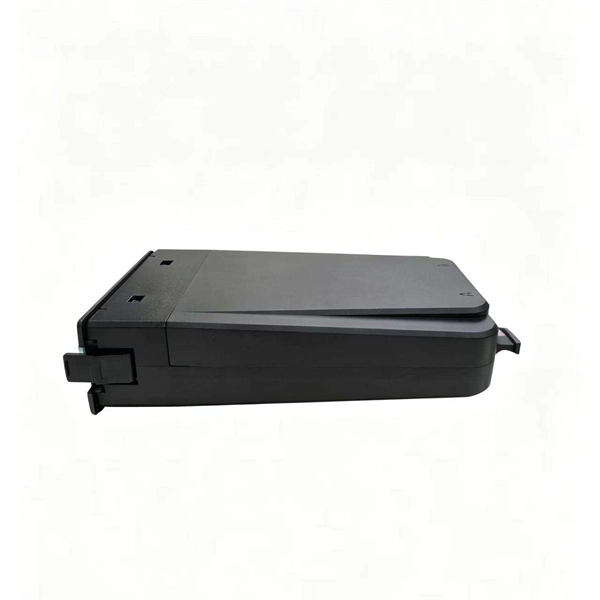
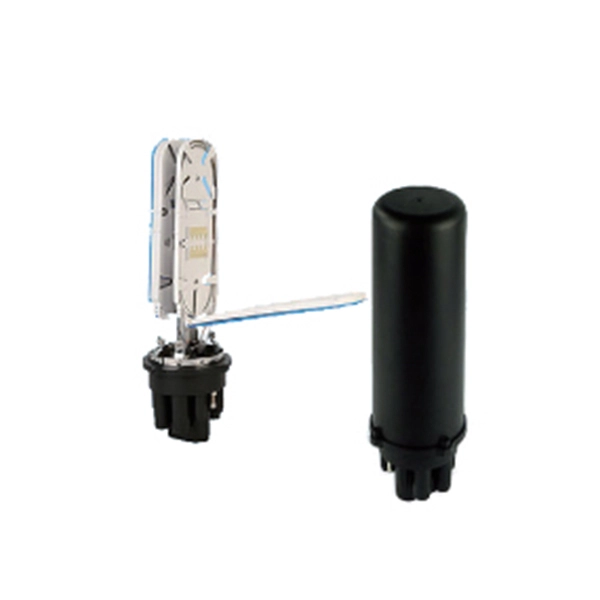
Fiber optic splicing costs vary widely depending on project size, location, fiber type, and site conditions. Splice boxes and splice distributors are essential for a reliable fiber optic cabling system and serve as a connecting point between the fiber optic installation cable and the in-house network. The box has 2 ports on both ends and there is a. Check each product page for other buying options.
Contact us for competitive quotes on any of our power communication and smart grid products
Get a Quote