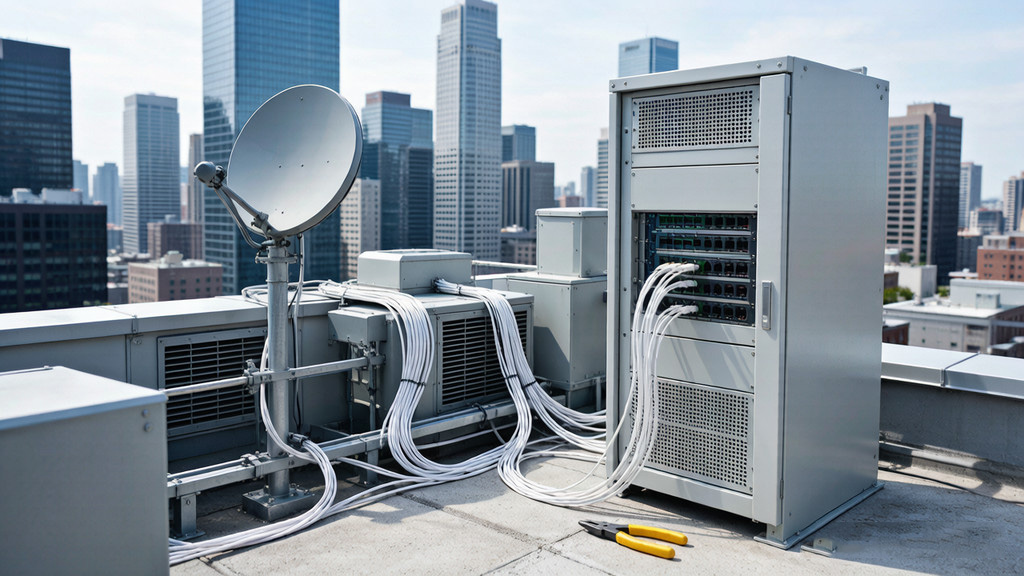
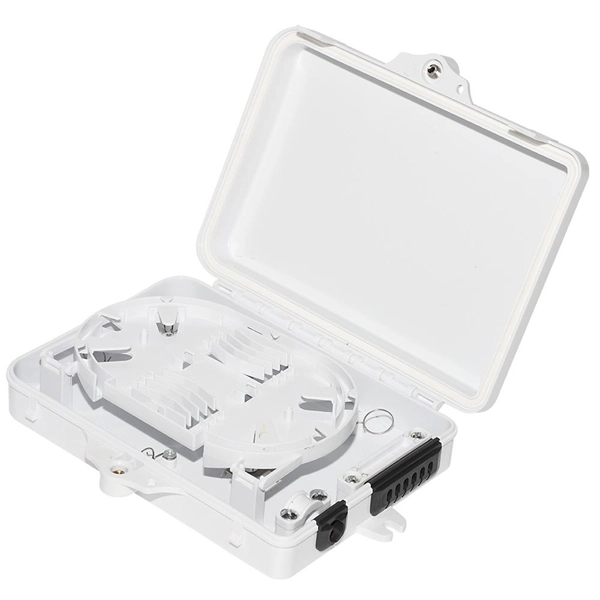
The SMARTenergy gateway is designed for industrial environments and serves as the central energy node in the distribution cabinet. It transmits all energy data from Gas -, Water -, Electricity- and Warmth-Meters wirelessly from the cabinet. The units offer Fault Passage Indication (FPI) functionality and enables accurate current and voltage measurements from the medium-voltage network utilizing ABB's lightweight sensor technology. Simple, easy to use, easy to install effect The purpose of the present invention is to solve the problem that the existing gateway in the power distribution cabinet does not have high internal control. The Liebert® RXV remote power distribution cabinet provides dense power distribution in a small footprint, with up to 400 Amp inputs and 84 poles in a single 24”x12” panelboard.
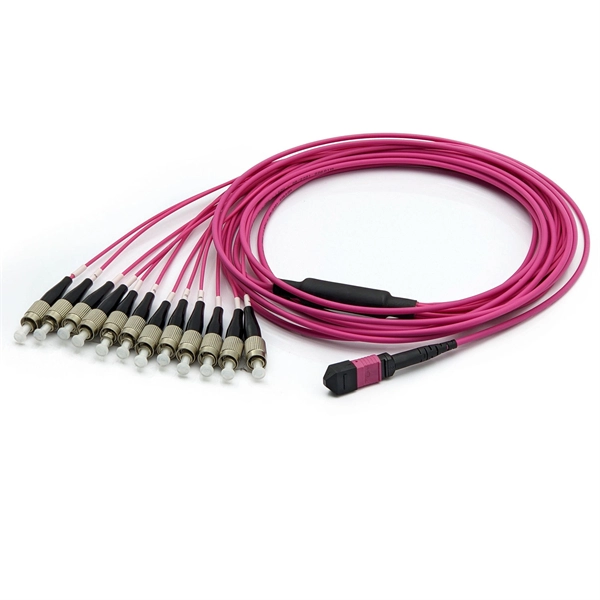
Learn professional control panel wiring standards, including cabinet layout, grounding rules, wiring principles, common mistakes, EMI prevention, and best practices for building clean and reliable industrial control cabinets. It is important that wiring be held together neatly using cable ties to ensure that everything is in an organized and neat order. It is advisable for everything to be tightly connected and there should. This article outlines the essential considerations for designing a high-quality electrical control cabinet, from material selection to wiring methods📝. Designing the. DIN rails and wiring ducts must be arranged logically: General structure: 3. Wiring Principles Signal cables should be: 4. Sure, the specs of the wire itself matter (and we'll cover them below), but layout and safety planning are arguably even more important.
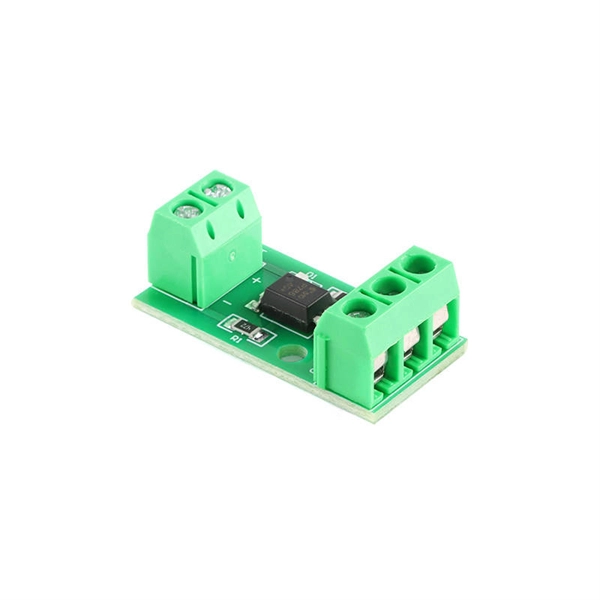
Energy storage system (ESS) is recognized as a fundamental technology for the power system to store electrical energy in several states and convert back the stored energy into electricity when required. Som.
Fully Explained Photos and Wiring Diagrams for Kitchen Electrical Wiring with Code Requirements for most new or remodel projects*. Kitchen Remodels Part 1 covers Planning and Design with Fully Explained Photos and Helpful Ideas. But don't worry, we've got you covered. Choose from the list below to navigate to various rooms of this home*. and Be Sure to Subscribe! The important components of typical home electrical wiring. Connecting the Wiring to the Electrical Panel Once the wiring is in place, it is time to connect it to the electrical panel.
Data center construction builds secure facilities for servers, power, and cooling systems. Much of the organization's productivity, collaboration and communication relies on the center performing optimally. Network Operations Center (NOC) What are the three main zones in a data center layout? What is PUE in a data center? What Tier certification does a data center need? What cooling systems are used in modern data centers? A. Building a data center is the process of constructing a facility to house computer systems, storage, and IT equipment for data handling. Growth in enterprise workloads and generative AI is accelerating investment, with major technology companies expected to deploy $1. USD 100+ billion by 2026, at a CAGR of 13. 5% over the forecast period 2021 - 2026.
Wall-mounted boxes should be 4. This height makes it easy to reach without bending or stretching. Ground-mounted boxes should be raised 2 to 4 inches to avoid. The installation requirements and specifications of Distribution box involve many aspects, including site selection, fixing method, wiring specifications and safety protection. NEC Article 408 covers switchboards, switchgear, and Panelboards installation and applications.
The butterfly-shaped optical cable is made by placing the optical communication unit in the center, placing two parallel reinforcing elements on both sides, and finally extruding a layer of sheath. It has excellent mechanical properties, simple cable structure, light weight and. The invention belongs to the technical field of optical fiber and cable, and in particular relates to a butterfly-shaped lead-in optical cable, which includes an optical fiber, a pair of strength members symmetrically distributed on the upper and lower sides of the optical fiber, and a sheath that. Their flat, butterfly-shaped structure combines optical fibers with strength members, making them ideal for indoor wiring, drop cable installations, and last-mile network construction. It offers an efficient and economical solution for deploying fiber in FTTH network. Central loose tube cables and self-supporting FTTH drop cables are desinged for outdoor aerial distribution. A self-supporting drop cable, on the other hand, adds a thick steel wire suspension to the ordinary drop cable structure.
[PDF Version]
Armored fiber optic cables designed for direct burial cost $6-14 per linear foot. Conduit systems add $2-4 per foot but allow future cable additions. Handholes and. Home and business fiber optics projects typically range from a few hundred to several thousand dollars, depending on run length, fiber type, and labor needs. The main cost drivers are materials, installation time, and environmental factors that affect trenching, conduit, and terminations. BroadbandUSA collected information about network construction expenses to increase awareness of the costs associated with deploying a broadband network. Commercial building installations with 100-200 network drops generally range from $15,000 to $30,000.
Contact us for competitive quotes on any of our power communication and smart grid products
Get a Quote