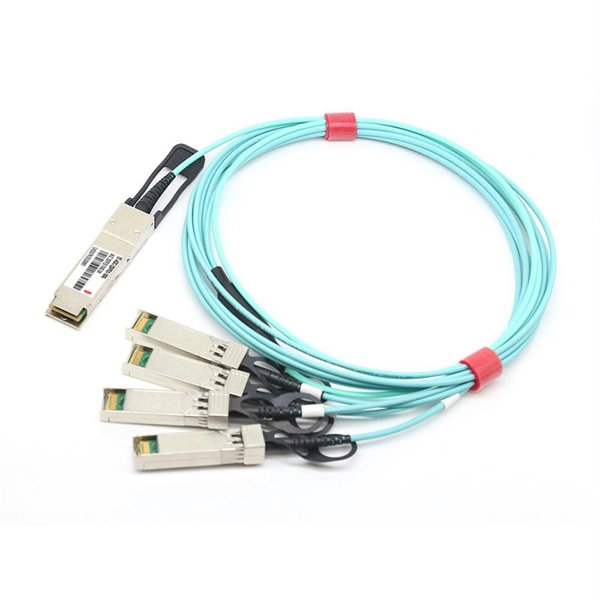
Copper cables can experience signal degradation over long distances, which can cause data loss or errors. Despite being made of glass, fiber optic cables are more durable than their copper counterparts too. Susceptible to EMI: Copper is more susceptible to electromagnetic interference (EMI) than fiber optic cables. They offer greater performance, with much higher. Copper has substantial disadvantages over fiber optic cable and, while copper remains very important, if not dominant, fiber optic systems are taking over, leaving copper in a poor position due to its many disadvantages.
There are 9 Fiber optic products suppliers in New Zealand. OplinX New Zealand Limited specialises in supplying high quality fibre optic cabling products into the data and telecommunication market. Oplinx NZ has been established as a competitive contender to lead the optical market with strategic innovation and customer focussed pro-activity. With an extensive range of fibre leads and fibre patch cables available, 4Cabling offers OM1 fibre multimode, OM4/OM3 multimode, OS1/OS2 Singlemode and more. Don't risk the performance or longevity of your. Your local electrical suppliers since 1936, we stock over 53,000 electrical supply products. We have a large stock of cable, so delivery times are normally quick, and you are backed by our. Pearlyond Technologies New Zealand is a leading fiber optic supplier specialize in manufacturing and sales of fiber optic patch cords and fiber optic test equipment, the company is well known for the quality products and on-time delivery.
[PDF Version]
Top 5 fiber optic cable suppliers:Prysmian Group, Furukawa Electric, Corning Inc., CETSA, and General Cable are critical in propelling Colombia's telecommunications industry ahead. Bogota Capital District - Municipality, Colombia The company, Fibras Ópticas de Colombia, specializes in the manufacture and assembly of optical fiber solutions, enhancing communication for internal plant connectivity and. LatamFiberhome - Leader of optical fiber cable provider in Latin America. Latam FiberHome producimos ADSS cable, Drop Cable, DUCT Cable, optical fiber cablesGet list of top optical cables export companies in Colombia with their shipment details. World's Largest Trade Database and Supply Chain Intelligence Platform Book your demo now to explore hundreds of hidden opportunities. Get started for free! Register your account to access global trade data. 5 billion+ shipment records with 20+ precision filters to uncover the most reliable and economical suppliers for you.
[PDF Version]
This list incorporates leading players, including Dekam-Fiber, Corning, Prysmian, and CommMesh, which stand out for their contributions to high-performance cables. Find your composite optical cable easily amongst the 16 products from the leading brands (CORNING, LAPP, Cavicel,. ) on DirectIndustry, the industry specialist for your professional purchases. Explore optoelectronic composite cables—hybrid fiber optic and power cables engineered for efficient data and energy transmission. In the rapidly evolving landscape of modern. Based on 2025 rankings from industry sources like Owire and TSCables, the top manufacturers are evaluated on market share, innovation, and global reach. Each ships a complete MPO/MTP ecosystem (trunks, breakouts, cassettes, panels) with low-loss options, clear polarity, and global support. Questions for us? Complete the form below.
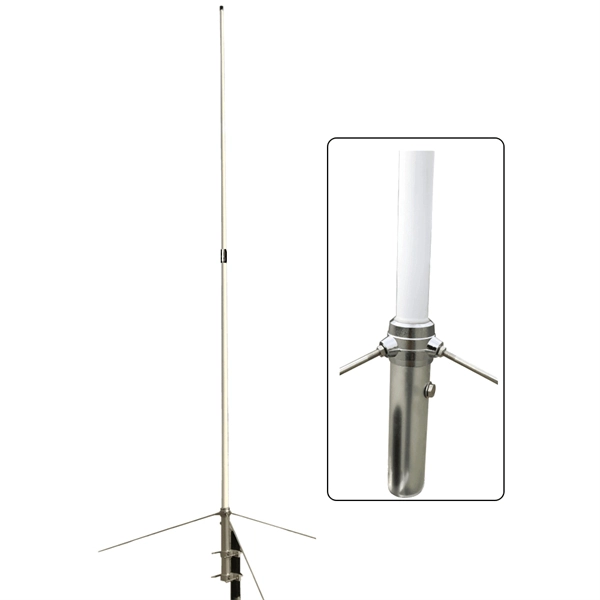
Attach a ground wire from one of the threaded studs (A) at the bottom of the housing, to the mounting plate (B). The ground resistance between all system parts shall be <. The correct connection method of Distribution box grounding wire mainly includes the following steps: 1. Preparation: First, you need to prepare some necessary tools, including grounding wire, grounding rod, voltmeter, insulating gloves and insulating tools. Covers wiring, placement, standards, and expert tips for a compliant setup. **Test the grounding resistance**: Use a. Power from factory ground must be installed by a qualified electrician. Each DISTRIBUTION BOX and controller must be grounded. A grounding pigtail is a short, isolated length of green-insulated or bare copper wire used to create a splice, linking the circuit's incoming ground wire to both the metal box and the.
Fiber optic cables should always be pulled by the strengthened yarn fibers inside the outer jacket. The Fiber Optic Association, Inc. (FOA) was founded in 1995 to help develop the workforce to build the fiber optic networks to support a rapid expansion in communications and the Internet. The charter of the FOA was to promote professionalism in fiber optics through education, certification, and. However, fail to pull fiber optic cable properly will eventually lead to serious network problems and disasters. This article explores the factors that influence the pulling distance of fiber optic cables, guidelines for safe installation, and best practices to ensure. Most fiber optic cables boast a pull strength of 100 – 200 pounds thanks to the internal kevlar or aramid yarn, known as the strength member.
Twist wires in parallel or facing each other, depending on how you use them. Originally developed to reduce interference in early telegraph and telephone systems, the method has become standard in modern cable assembly. It helps meet strict performance requirements for power, data, and. The mutual twisting of steel wires is widely used in construction, engineering, and everyday applications, as it is relatively easy to perform and imparts new and useful properties to the wires. Since the process involves large deformations and high stress levels, understanding the mechanical. Wire twisting machines provide precise and rapid automated processing for twisted wires. Reduction of Electromagnetic Interference (EMI): Twisting the wires in a cable helps to cancel out electromagnetic fields that are generated by the current flowing through the wires.
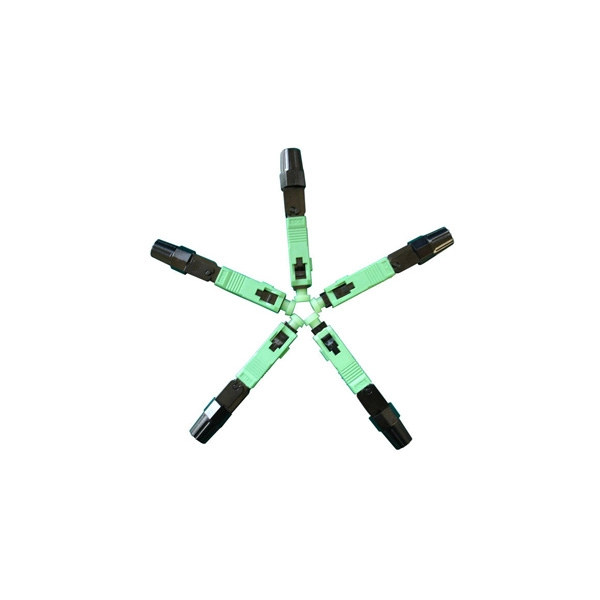
Pigtails are usually made of copper wire, as this is the most common material used in electrical wiring. Pigtailing manages the flow of current. A pigtail wiring harness is a short, flexible cable assembly used to connect electrical components, typically featuring 12-24 AWG wires with PVC or TPE insulation for durability. It often includes crimped terminals or connectors (e., spade, ring, or butt connectors) and is commonly applied in. Whether it's an electrical system in your car, home, or factory, the quality of the connection is essential, and that's where pigtail connectors come in. From factory robots to home appliances, these critical parts maintain uninterrupted power. Pigtail connectors are small pieces of wire that connect to a larger wire.
Cut a short length of the correct-color wire and strip a bit off each end. Begin by cutting the pigtail wire to a suitable length, generally between six and eight inches, to allow enough slack for comfortable work outside the electrical box. Once cut, use the wire strippers to remove approximately three-quarters of an inch of insulation from the end of the pigtail and the. If you have a damaged wire, cut this section using a wire cutter to leave the good part. If using a nylon closed-end or pigtail connector, you don't have to. The next step is to prepare the pigtail wires. This exposes the bare copper wire that. One crucial safety measure when making your own pigtail is that you must cut your scrap lengths from the same types of wire in the circuit. Did you make this project? Share it with us! You must be logged in to post a comment or add an I Made It.
Contact us for competitive quotes on any of our power communication and smart grid products
Get a Quote