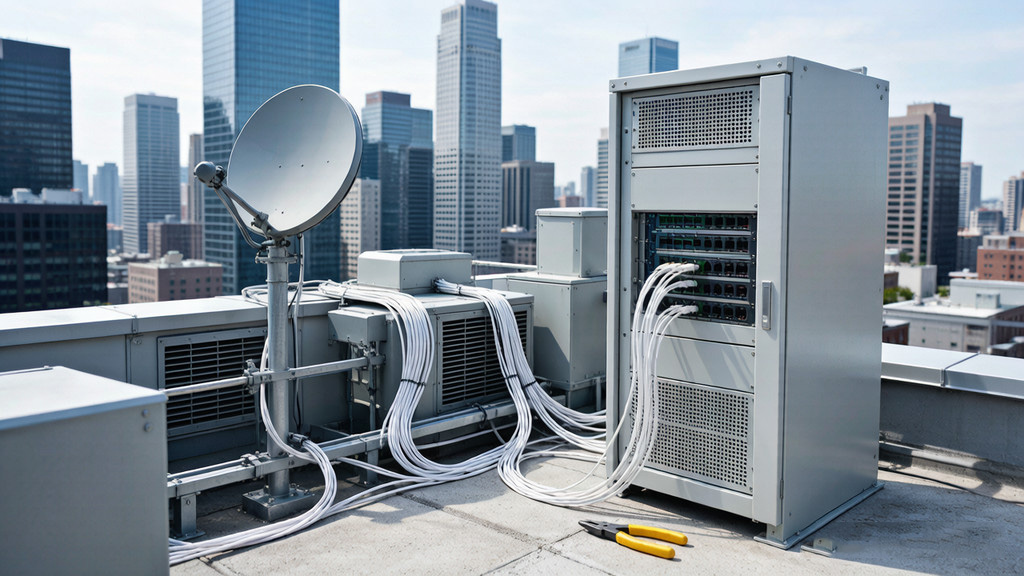
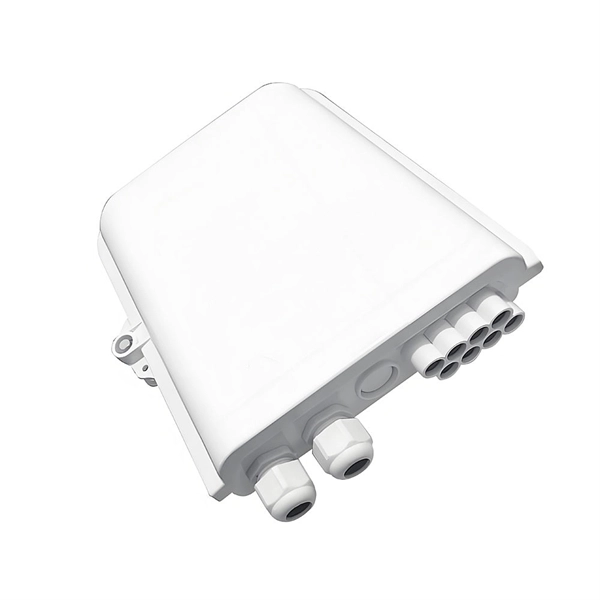
Conductor: Aluminum or copper, class 1 or class 2, solid or stranded, circular or circular compacted conductors is a popular pick for industrial low voltage cables. Use Class 5 copper conductors in areas with high flexibility requirements. It's a solid mix of performance and cost. To be clear from the very beginning of this article, there is no standard model for wiring low voltage switchboards and panelboards. There are three. A low-voltage wire is an electrical cable capable of transmitting 50V of electricity or less. Potential variations of low-voltage.
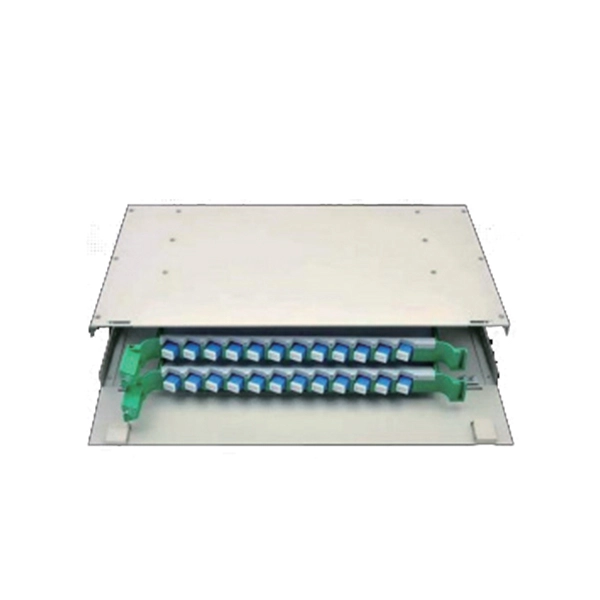
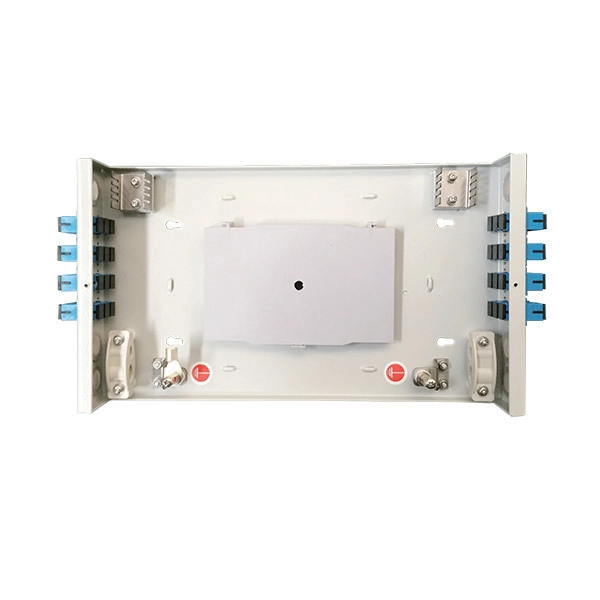
When selecting the right fiber optic patch panel for your network infrastructure, prioritize compatibility with your existing cabling system (LC, SC, or MTP), port density needs, rack-mount design, and whether you need splice-ready enclosures or pre-terminated options. For most enterprise. A fiber patch panel is a mounted enclosure—either rack-mounted or wall-mounted—used to terminate, manage, and interconnect multiple fiber optic cables. It acts as a hub for organizing splices and patch cords, streamlining fiber management and preserving signal integrity. A well-designed patch panel doesn't just organize cables — it protects your connections, improves signal performance, and makes maintenance faster and easier. Consolidate your fiber optic connections in industrial environments with our DIN rail patch panel, with a modular. Choose from racks, panels, modules, splice trays, ethernet fiber switches and other structured cabling components.
[PDF Version]
Fiber optic sensors play a key role in developing the communication system to sense & measure the change within phase, data transmission rate, wavelength, intensity, noise, uneven environmental conditions, extreme heat, high vibration, etc. This article explores the different types of Fiber Optic Sensors, their working principles, and various applications. A sensor is a device that measures a physical quantity and converts it into a. This perspective article delves into the current performance limitations of distributed optical fiber sensors and proposes avenues for future advancements, as envisioned by the author, whose four-decade-long career has been dedicated to this transformative field. From energy. Distributed fiber optic sensing (DOFS) technology transforms standard optical fibers into continuous sensing media, enabling real-time, simultaneous measurement of temperature, strain, vibration, and acoustic signals at any point along tens of kilometers of fiber.
[PDF Version]
This four-port KVM switch provides the ultimate in desktop switching. Switch PCs with single-link DVI-D video and transparent USB 2. Control up to four PS/2 and USB servers from your desktop! Use a single PS/2 console to control four PS/2 CPUs with PS/2 or serial mice. 6W monitors the market across 60+ countries Globally, publishing an annual market outlook report that analyses trends, key drivers, Size, Volume, Revenue, opportunities, and market segments. This report offers comprehensive insights, helping businesses understand market dynamics and make informed. Control multiple computers with one keyboard, mouse, and monitor using our recommended KVM switches, with setup guides, troubleshooting tips, and security considerations for work and home office environments. It supports Hotkey control via keyboard, IR remote and button switch. Perfect for all PS/2 switching and. Segments - by Type (Single User, Multi-User), Application (Data Centers, IT Departments, Broadcasting, and Others), Enterprise Size (Small and Medium Enterprises, Large Enterprises), End-User (BFSI, Healthcare, Retail, Media and Entertainment, Manufacturing, IT and Telecommunications, and Others).
[PDF Version]
At the heart of every optical transceiver lie three essential components, often called the “Three Pillars” of optical communication: Laser — generates light. Modulator — encodes data onto the light. These systems convert electrical signals, which carry data, into pulses of light and then back into electrical signals at the destination.
Synchronous Digital Hierarchy (SDH) is a standardized multiplexing hierarchy for transmitting digital signals over optical fiber networks. It provides a flexible and efficient way to transport large amounts of data with high reliability and synchronization. This tutorial addresses the importance of scalable DWDM systems in enabling service providers to accommodate consumer demand. The protocol used in modern networks to satisfy these cravings is Synchronous Digital Hierarchy (SDH) or the almost identical Synchronous Optical NETwork (Sonet) which is primarily used in the U. At low transmission rates, data can also be. Dense Wavelength Division Multiplexing or DWDM is the method which allows multiple wavelengths to be brought to a single-mode fiber, consequently growing the potential of that particular transmission route by using a factor which is equal to the total number of wavelengths that one has added during. In the realm of telecommunications and high-speed data transmission, Wavelength Division Multiplexing (WDM) and Synchronous Digital Hierarchy (SDH) stand as foundational technologies.
[PDF Version]
When choosing a fiber optic cable armored solution for high-risk environments, prioritize cables with robust steel or aluminum interlocking armor, tight-buffered construction, and proper jacket ratings (e., outdoor UV-resistant or LSZH for indoor use). It's commonly used for field termination via mechanical or fusion splicing. The Difference Between a Fiber Pigtail and a Fiber Patch Cord Fiber pigtail is. When it comes to telecommunications, the choice between armored optical fiber pigtails and standard pigtails can significantly influence performance, reliability, and overall project success. Understanding the nuances between these two types can help engineers, technicians, and network planners. Armored fiber cable is a fiber optic cable reinforced with additional protective layers to enhance its durability and resistance to external damage. They come in two types: single-mode and multimode.
[PDF Version]Contact us for competitive quotes on any of our power communication and smart grid products
Get a Quote